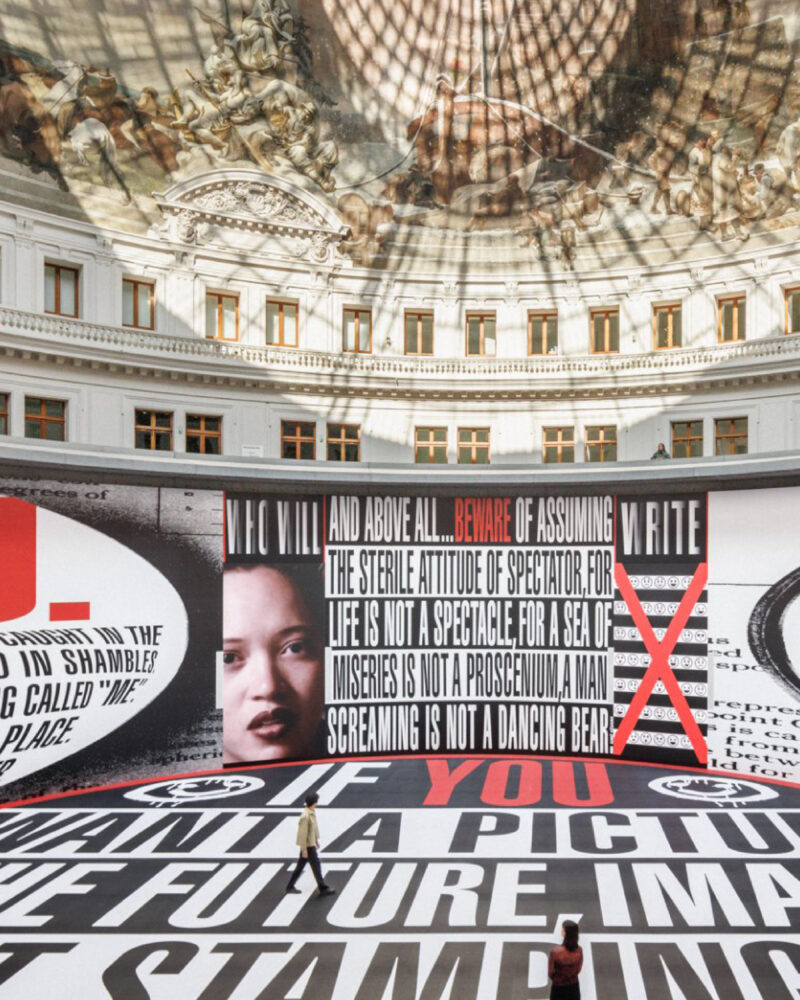
From Regent’s Park to galleries and institutions across the city, Frieze Week brings together contemporary art, historical perspectives and emerging voices.
From 14 to 18 October 2026, London becomes a focal point of the international art calendar as Frieze London and Frieze Masters return to Regent’s Park. Bringing together galleries, artists, collectors and cultural institutions from around the world, the two fairs offer distinct yet complementary perspectives on artistic production, connecting contemporary practices with historical works across different periods and disciplines.
But Frieze Week extends far beyond the fairgrounds. Throughout the city, museums, independent galleries and contemporary art spaces present an extensive programme of exhibitions, openings and special projects, transforming London into a network of artistic encounters. Established figures share the spotlight with emerging voices, while painting, sculpture, installation and experimental practices reveal the different directions shaping contemporary art today.
Tarek Atoui at Tate Modern
October 13, 2026 – April 13, 2027
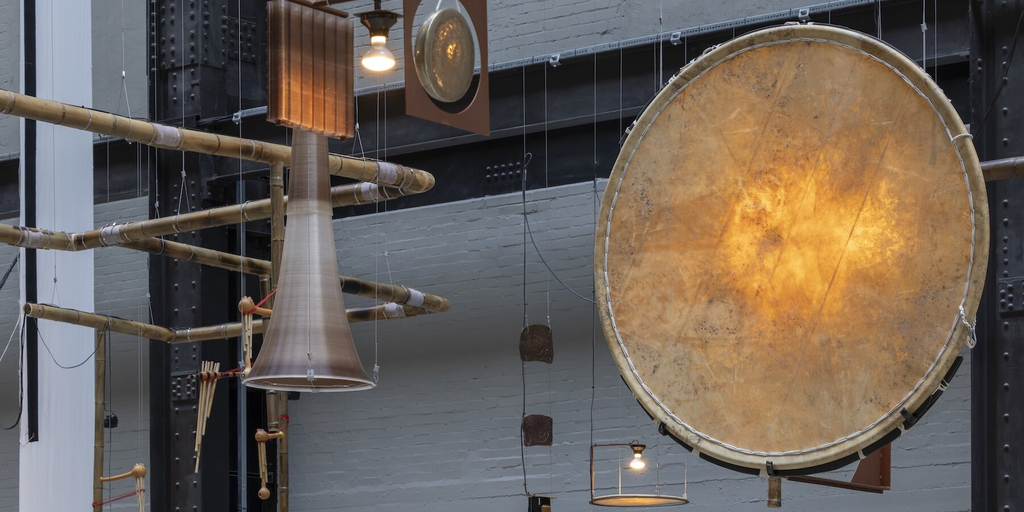
For his Hyundai Commission at Tate Modern, Tarek Atoui transforms the Turbine Hall into an evolving sonic landscape where sculpture, sound and performance converge. Custom-built bamboo wind instruments, brass, percussion, stone and 3D-printed forms interact with electronic systems, creating an orchestra that shifts between monumental scale and intimate experience. Developed through collaborations with musicians, instrument makers, engineers and researchers across Asia and Europe, the installation brings traditional craftsmanship into dialogue with technological experimentation. Rather than presenting sound as a fixed composition, Atoui constructs a living environment in which materials, instruments and performances continuously reshape the space and the ways we experience it.
Dala Nasser, Cemetery of Martyrs at Peer
September 19 – December 12
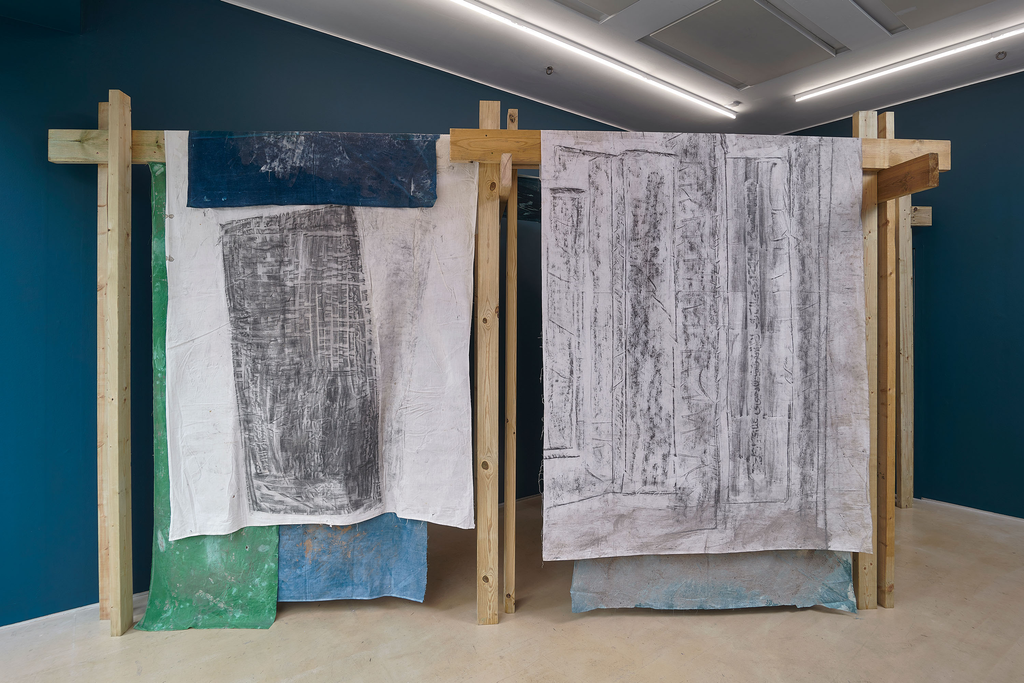
In Cemetery of Martyrs at Peer, Dala Nasser transforms the exhibition space into a symbolic graveyard, exploring memory, displacement and cultural resistance. Layers of cyan-blue and charcoal-marked fabrics hang from a wooden structure, carrying traces of artists, writers and intellectuals whose lives intersected with Beirut. Through frottage, Nasser records gravestones across different geographies, while cyanotypes commemorate those whose burial sites remain inaccessible or unknown. Figures including Etel Adnan, Ghassan Kanafani and Inji Aflatoun emerge within this collective memorial, where painting becomes an act of remembrance. The installation considers how cultural legacies endure beyond political violence and erasure.
Sung Tieu, How is your day? at Emalin
September 26 – November 14
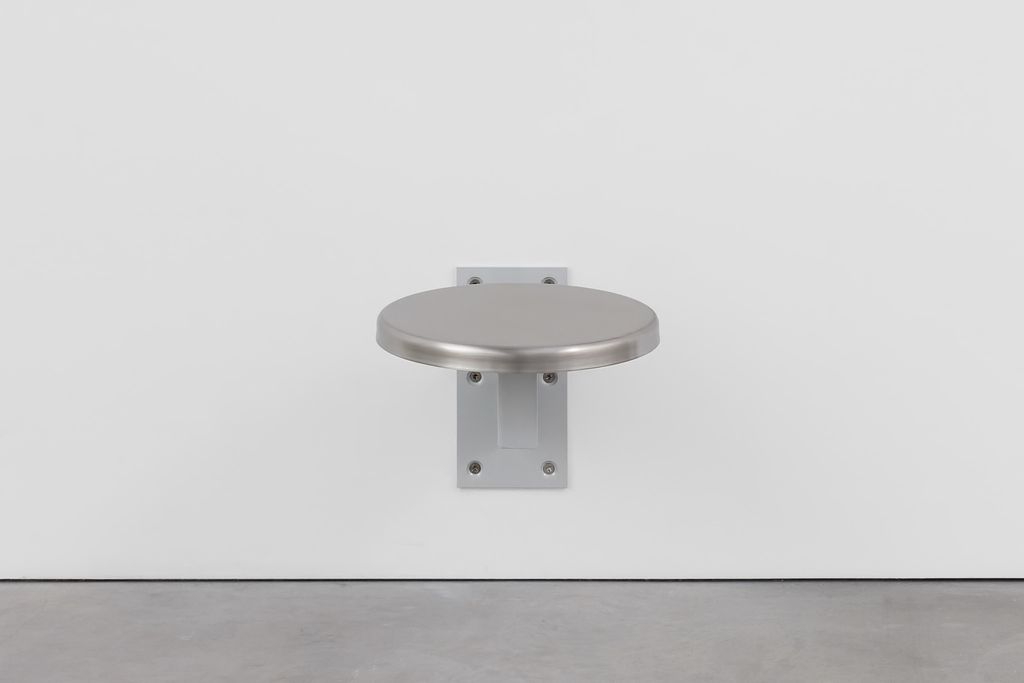
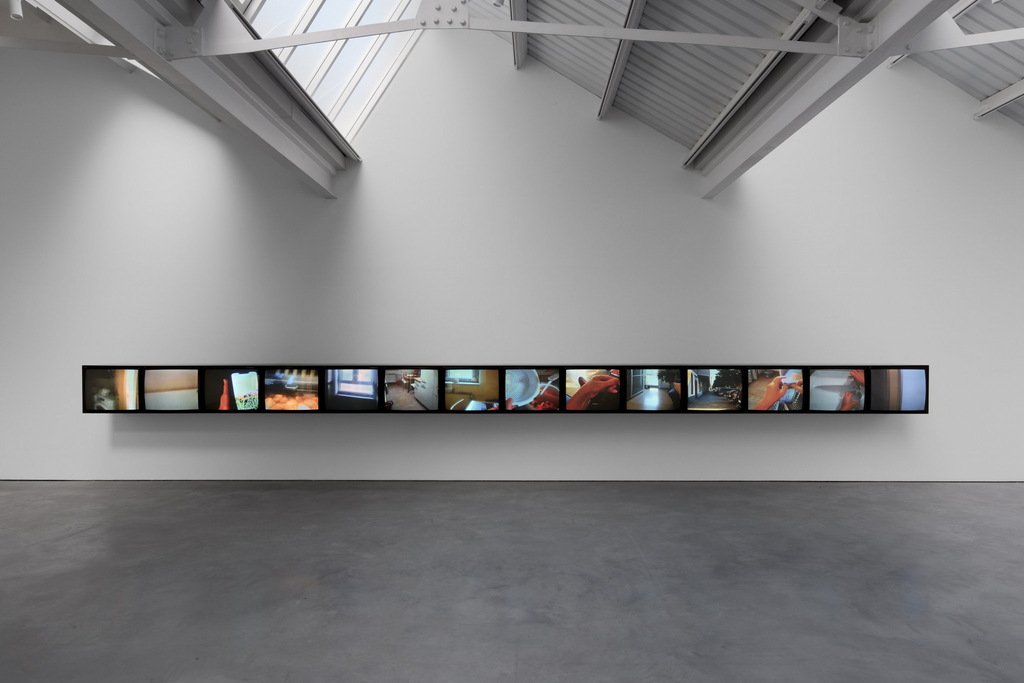
In a conversation with Leopold Thun, artist ST reflects on the subtle ways technology reshapes everyday life, from automated medical appointments to the growing absence of human interaction. These observations unfold alongside preparations for ST’s video sculpture, where the physical labour of installing the work remains largely invisible. A midnight exhibition screening introduces another perspective on how time structures our experience of art and public space. Moving between personal anecdotes, technological frustration and political unease, the exchange reveals how ordinary encounters can become reflections on systems of care, presence and contemporary life.
Musquiqui Chihying, A Life of Navigation at Hayward Gallery
October 13 – October 18
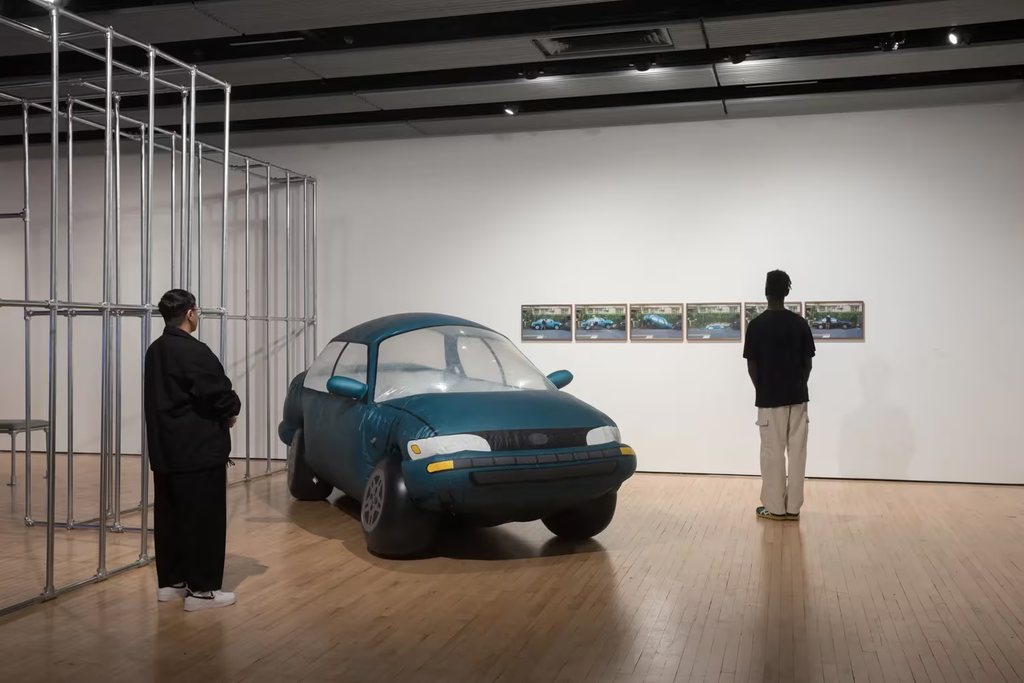
In A Life of Navigation, Taiwanese artist Musquiqui Chihying examines the uneasy relationship between technological progress and contemporary life through four works spanning video and installation. Early pieces, including The Jog (2014) and The Toyota (2015), explore the pressures of urban existence, while two newly commissioned video installations turn towards artificial intelligence, gaming culture and the growing tensions between human labour and automation. Blending humour, performance and surreal imagery, Chihying questions the colonial attitudes embedded within technological development. His work exposes the contradictions of a society increasingly shaped by systems designed to simplify, accelerate and control everyday experience.
Monika Sosnowska, Weight of Matter at South London Gallery
September 10 – November 22
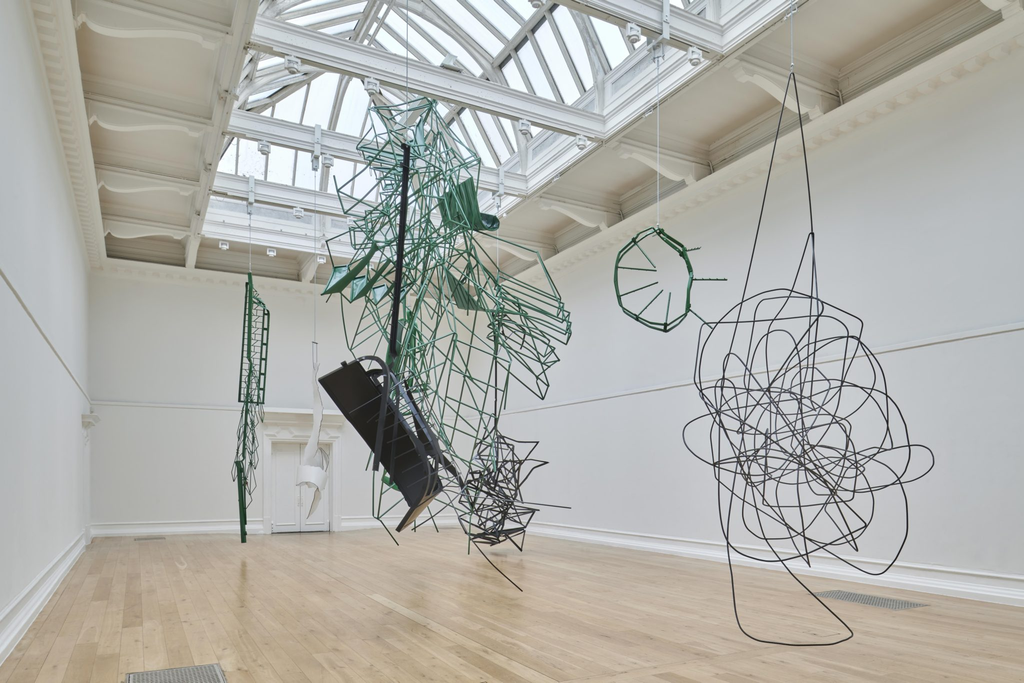
In Weight of Matter, Polish artist Monika Sosnowska explores the relationship between architecture, political history and urban transformation through monumental sculptures at South London Gallery. Spanning the Main Gallery and Fire Station, the exhibition transforms steel, concrete and industrial materials into distorted architectural forms. Suspended structures resembling collapsed buildings occupy the Main Gallery, while twisted staircases, concrete gardens and crumpled steel respond to the Fire Station’s nineteenth-century architecture. Drawing on Poland’s post-communist transformation and the legacy of modernism, Sosnowska challenges architecture’s promise of stability and order. The exhibition also presents her rarely seen paper maquettes, revealing the delicate beginnings of her monumental works.
Ana Viktoria Dzinic at Nicoletti
September 26 – November 7
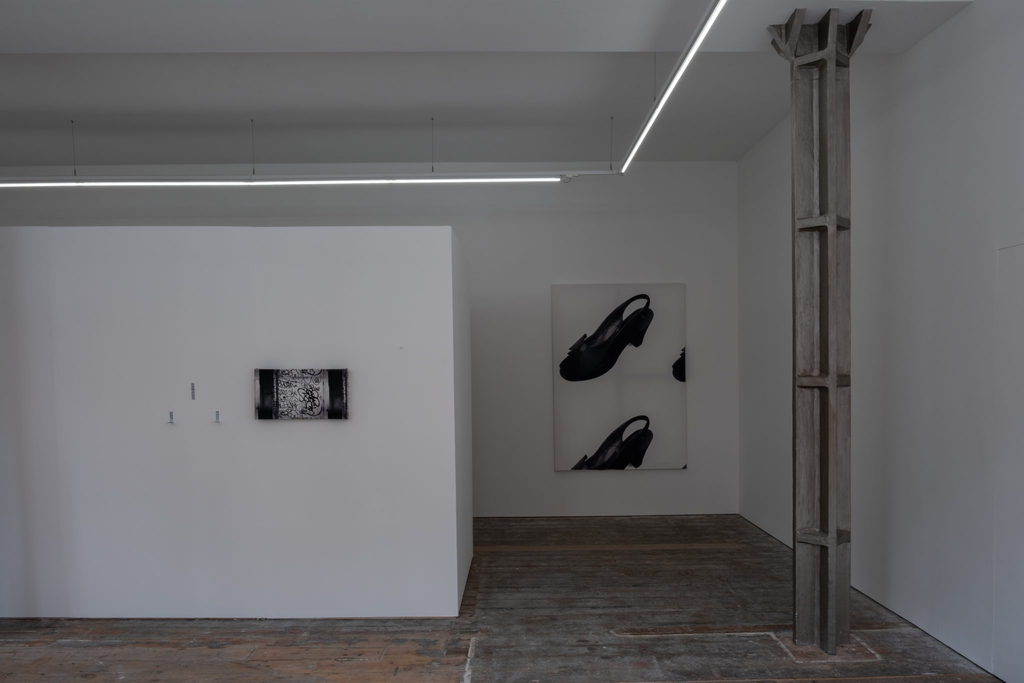
In Fundus: A Schizo Society’s Longing for the Armchair Psychology of Visual Cohesion (An Examination), Ana Viktoria Dzinic transforms Nicoletti into an evolving archive where storage becomes an exhibition strategy. A large-scale shelving structure holds works from different series, which gradually migrate onto the gallery walls through three successive rotations. Painting and video enter shifting dialogues, challenging the idea of an exhibition as a fixed arrangement. Alongside these transformations, a Kodak Carousel documents the installation’s changing configurations. By making circulation, accumulation and display central to the experience, Dzinic questions how artworks acquire meaning through their presentation and reconfiguration.
Rebecca Warren, There Will Be Another You at Maureen Paley
October 9 – December 12
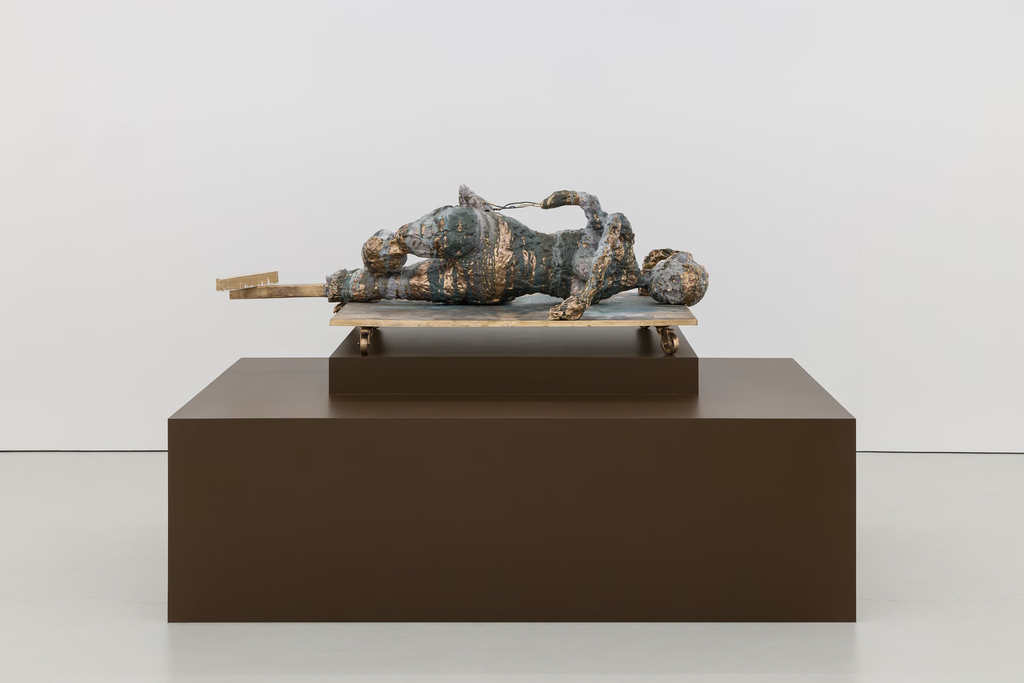
In There Will Be Another You, Rebecca Warren transforms Maureen Paley’s Bethnal Green galleries into an exploration of identity, mortality and artistic reinvention. Imagining the exhibition as a retrospective created by an alternative version of herself, Warren presents new sculptures that revisit familiar forms through unsettling transformations. A reclining bronze female figure, with distorted limbs and exposed structures, evokes both classical funerary sculpture and bodily mutation. Elsewhere, fragmented figures, clay sculptures and enigmatic assemblages suggest archaeological remains from an imagined future. Moving between past and present, the exhibition considers how artistic identities evolve, multiply and encounter their former selves.
Nicola Turner, I Tear Secrets from Your Yielding Flesh at Annely Juda Fine Art
October 1 – November 7
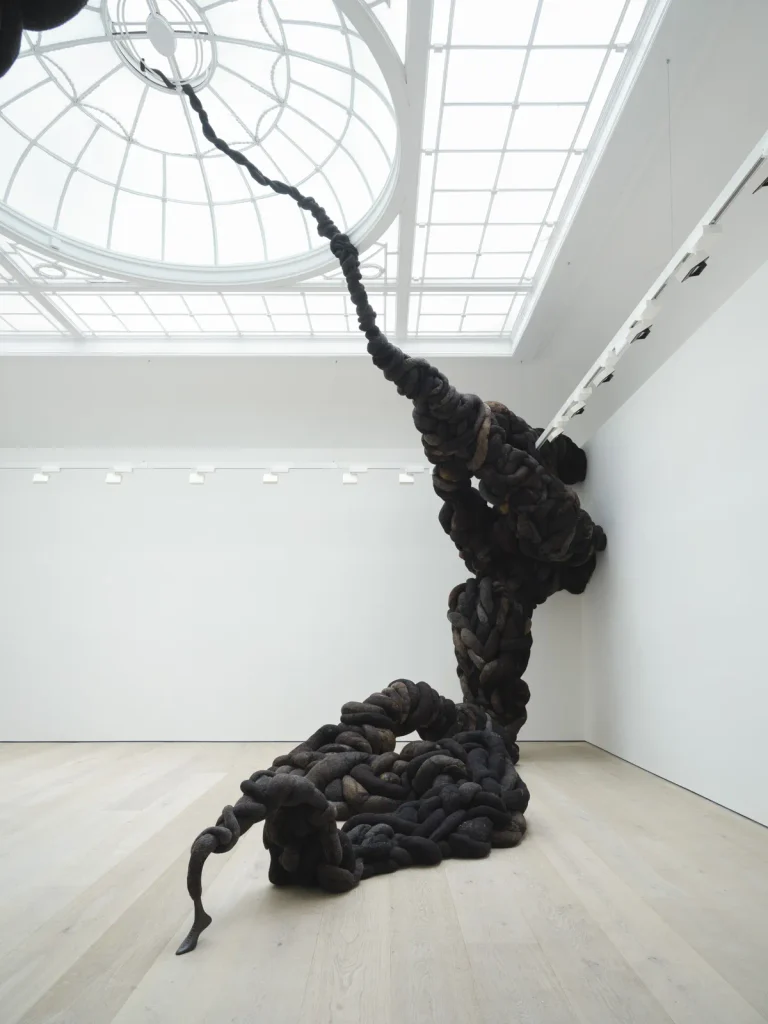
In I Tear Secrets from Your Yielding Flesh, Nicola Turner transforms Annely Juda Fine Art’s Georgian townhouse into a visceral installation of dark wool, horsehair and salvaged objects. Extending from the galleries onto the building’s façade, the work draws on the site’s history of textile production, scientific discovery and couture. References to synthetic dyes, mourning garments and Vita Sackville-West’s concealed desires intertwine with questions of female shame, secrecy and bodily memory. Resembling a procession somewhere between a wedding and a funeral, Turner’s sculptural forms explore the uneasy boundaries between life and death, vulnerability and resilience, attraction and repulsion.