As Paris Photo returns to the Grand Palais, we explore seven exhibitions across the French capital, from Irving Penn’s fashion photography to Stan Douglas’s investigations of history and representation.
Every November, Paris becomes a meeting point for the international photography community. Galleries, museums, independent spaces and publishing houses contribute to a programme that extends far beyond the exhibition halls, offering different perspectives on the medium and its evolving relationship with contemporary visual culture.
From 12 to 15 November 2026, Paris Photo returns to the Grand Palais for its 29th edition, bringing together international galleries, artists, publishers and collectors for one of the most significant events in the photographic calendar.
Under the direction of Florence Bourgeois and artistic director Anna Planas, the fair presents a programme spanning historical photography, contemporary artistic practices, experimental approaches to image-making and photographic publishing.
Yet the significance of Paris Photo extends beyond the Grand Palais. Across the city, museums and cultural institutions offer an equally compelling programme, exploring photography through fashion, political history, collective memory and artistic experimentation.
From established figures to alternative photographic narratives, these seven exhibitions offer a broader perspective on the medium during Paris Photo 2026.
ECAL, Soft Photography at Paris Photo
November 12 – 15
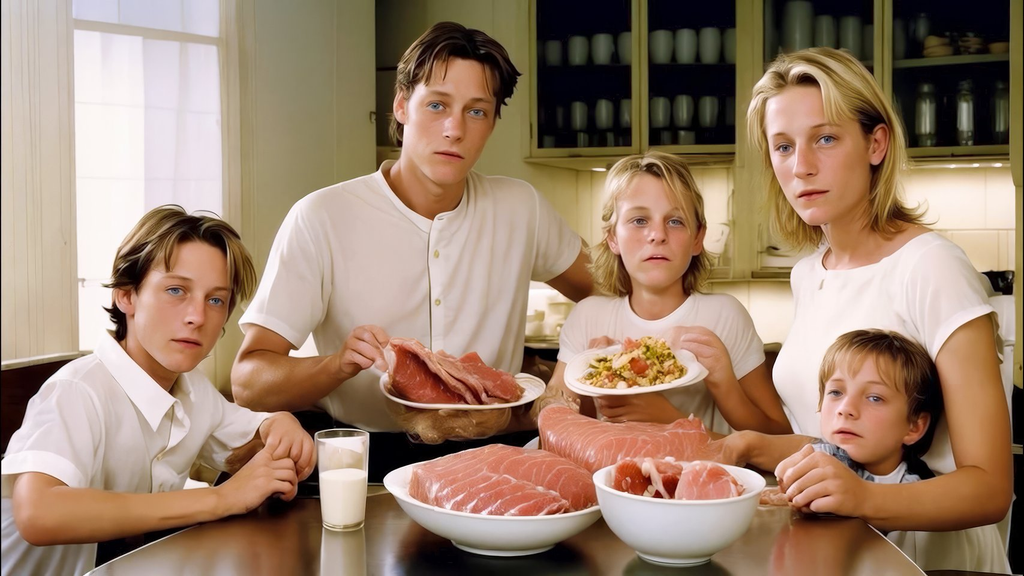
Photography has traditionally been associated with the preservation of a moment, a seemingly fixed representation of something that once existed. Yet contemporary image-making increasingly challenges this understanding, treating the photograph as something unstable, malleable and open to transformation.Presented at Paris Photo, Soft Photography by ECAL, the University of Art and Design Lausanne, offers an opportunity to reconsider the medium through experimentation.The title itself suggests a departure from photography’s conventional associations with precision, permanence and mechanical reproduction. Softness introduces the possibility of images that are less concerned with recording reality than with exploring its mutable qualities.Within the context of an increasingly digital visual culture, such an approach raises questions about what constitutes a photograph and how its material, technological and conceptual boundaries might be redefined. Positioned within the international framework of Paris Photo, the project also draws attention to the role of educational institutions as spaces for experimentation, where emerging practitioners can challenge established photographic conventions.
Park Chan-wook, Quand l’horloger immobilise le temps at Galerie VU’
October 20 – November 28, 2026
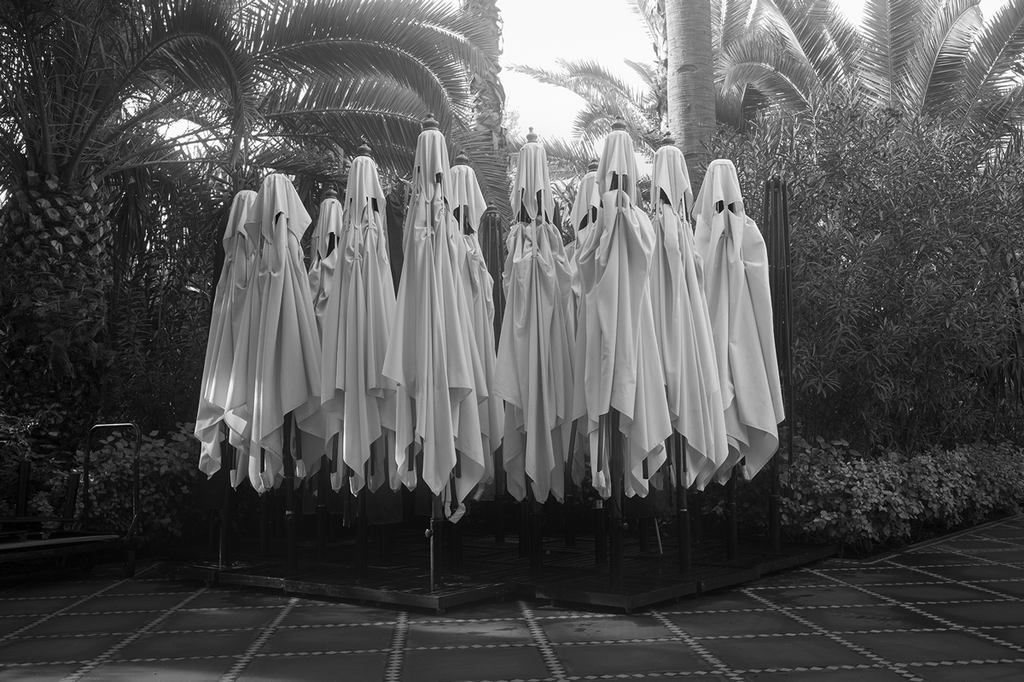
Best known for his distinctive cinematic language, South Korean filmmaker Park Chan-wook approaches photography with an equally attentive understanding of composition, atmosphere and narrative. At Galerie VU’, Quand l’horloger immobilise le temps presents an opportunity to encounter his visual practice outside the moving image. The exhibition’s title, which evokes a clockmaker bringing time to a standstill, introduces a compelling tension between movement and immobility. While cinema constructs meaning through the succession of images, photography isolates individual moments, allowing details that might otherwise pass unnoticed to acquire significance. Park’s cinematic work is characterised by carefully orchestrated compositions, psychological ambiguity and an interest in the relationship between beauty and unease. Considered alongside his photographic practice, these concerns suggest a broader investigation into how images shape our perception of reality. Rather than approaching photography simply as an extension of filmmaking, the exhibition invites reflection on the different ways still and moving images organise time, construct atmosphere and encourage viewers to imagine what exists beyond the frame.
Lee Krasner at Gagosian
October 19 – December 18
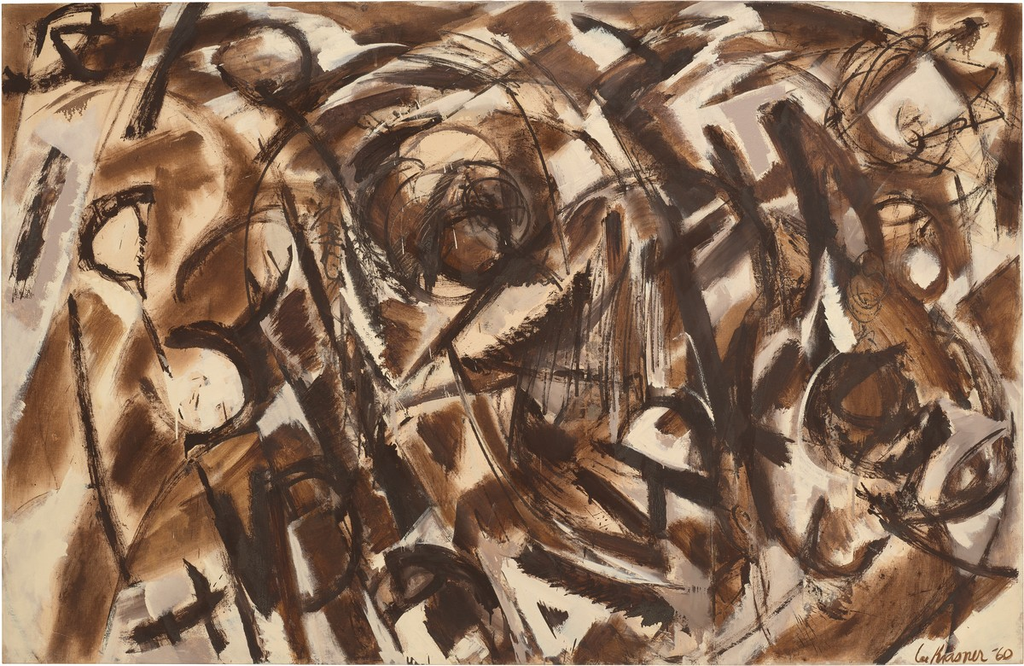
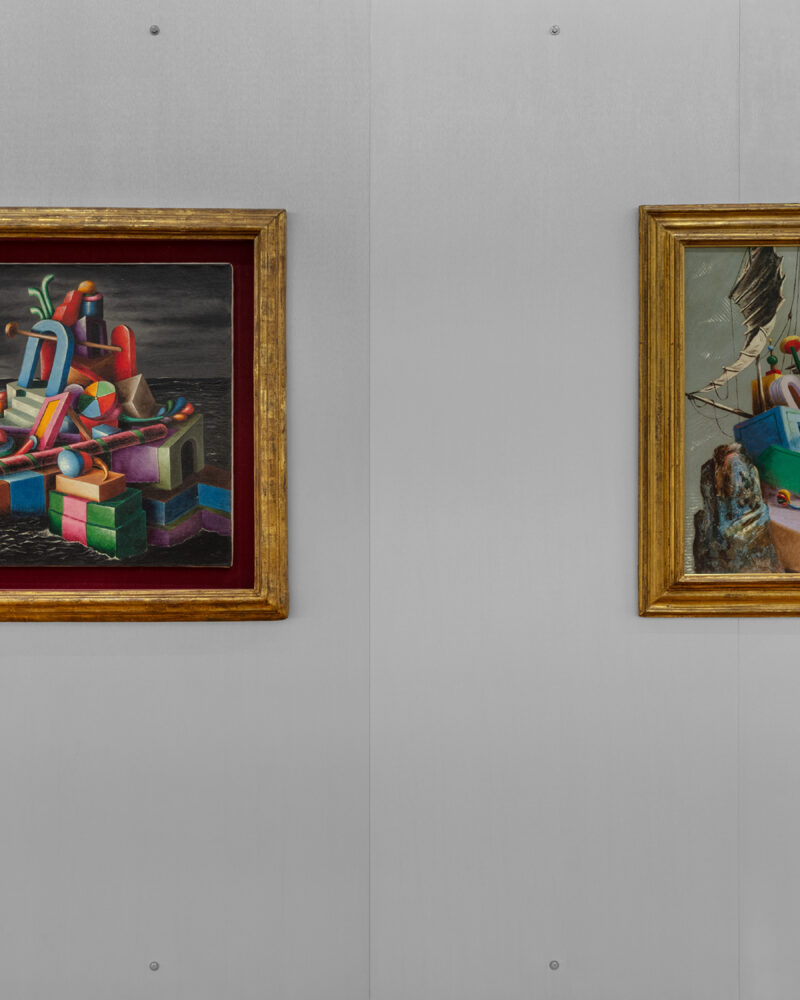
Although Lee Krasner is primarily associated with Abstract Expressionism, her work offers a compelling counterpoint to the photographic exhibitions taking place across Paris. A central figure in twentieth-century American painting, Krasner developed a practice defined by constant reinvention, challenging the idea that artistic identity must be expressed through a single, recognisable visual language. Her paintings are characterised by an energetic relationship between gesture, surface and composition. Layers of colour, fragmented forms and rhythmic brushwork create images that seem to resist any definitive reading. Within the context of Paris Photo, Krasner’s work introduces an alternative perspective on the relationship between image-making and representation. Where photography has historically been understood through its connection to the visible world, abstraction allows images to emerge through processes of transformation, accumulation and erasure. Her practice also raises questions about authorship and artistic recognition, particularly within the male-dominated narratives that have shaped the history of Abstract Expressionism. Seen alongside contemporary photographic experimentation, Krasner’s paintings remind us that the construction of an image has never belonged exclusively to one medium.
Nanténé Traoré, pays des merveilles at MEP
September 30 – November 29
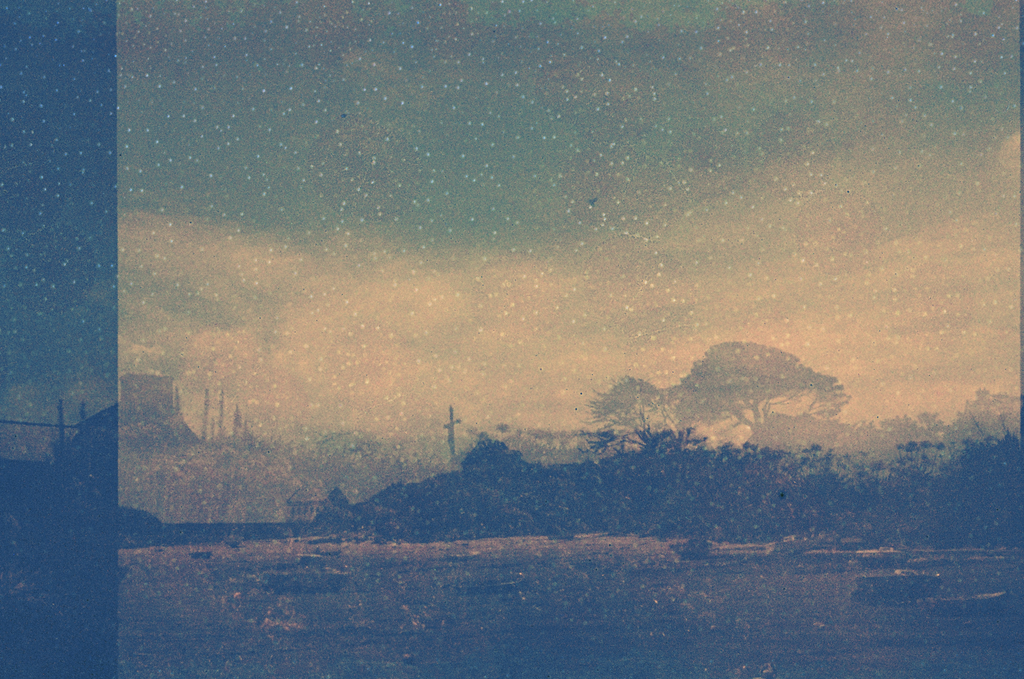
The photographic practice of Nanténé Traoré occupies a space between observation and imagination, where familiar subjects can acquire an unexpected emotional and visual intensity. At the Maison Européenne de la Photographie, pays des merveilles suggests a world in which the ordinary becomes strange, and photography operates as a means of questioning the boundaries between reality and fiction. The exhibition’s title, translating as wonderland, evokes a place shaped by curiosity, transformation and the possibility of seeing beyond established categories. Rather than treating the photographic image as an objective record, Traoré’s approach invites a more subjective encounter with representation. Atmosphere, ambiguity and the relationship between what is visible and what remains uncertain become central to the experience of looking. Within the broader context of contemporary photography, this sensibility reflects a growing interest in images that resist immediate interpretation, allowing personal narratives and imagined realities to coexist. The exhibition offers an opportunity to consider photography not simply as a means of documenting the world, but as a way of reconstructing it through individual perception.
Stan Douglas, Parallax at Jeu de Paume
October 20, 2026 – January 10, 2027
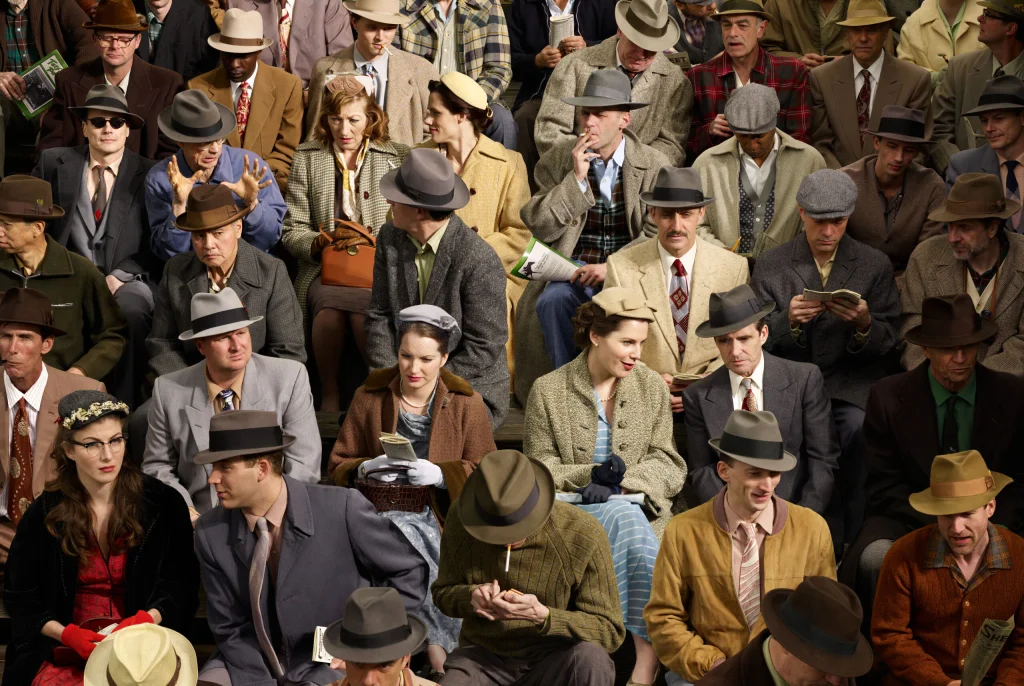
History is rarely as stable as the images through which we remember it. At Jeu de Paume, Canadian artist Stan Douglas presents Parallax, an exhibition examining the relationship between photography, moving images and the construction of historical narratives. Throughout his career, Douglas has explored the ways political events, social transformations and collective memories are represented. His practice frequently draws on archival material and meticulously staged reconstructions, creating images that occupy an ambiguous position between documentary evidence and fiction. Rather than presenting history as a sequence of established facts, Douglas reveals the processes through which particular versions of the past become visible while others remain obscured. The exhibition’s title refers to the apparent displacement of an object when viewed from different positions, an idea that resonates with Douglas’s interest in the instability of historical perspective. His work encourages viewers to question the authority of photographic representation and the assumption that an image necessarily provides access to an objective reality. At a time when images circulate with unprecedented speed and can be increasingly difficult to authenticate, Douglas’s investigations into memory, representation and visual truth feel particularly urgent.
The Space Between Us at LE BAL
June 19, 2026 – January 3, 2027
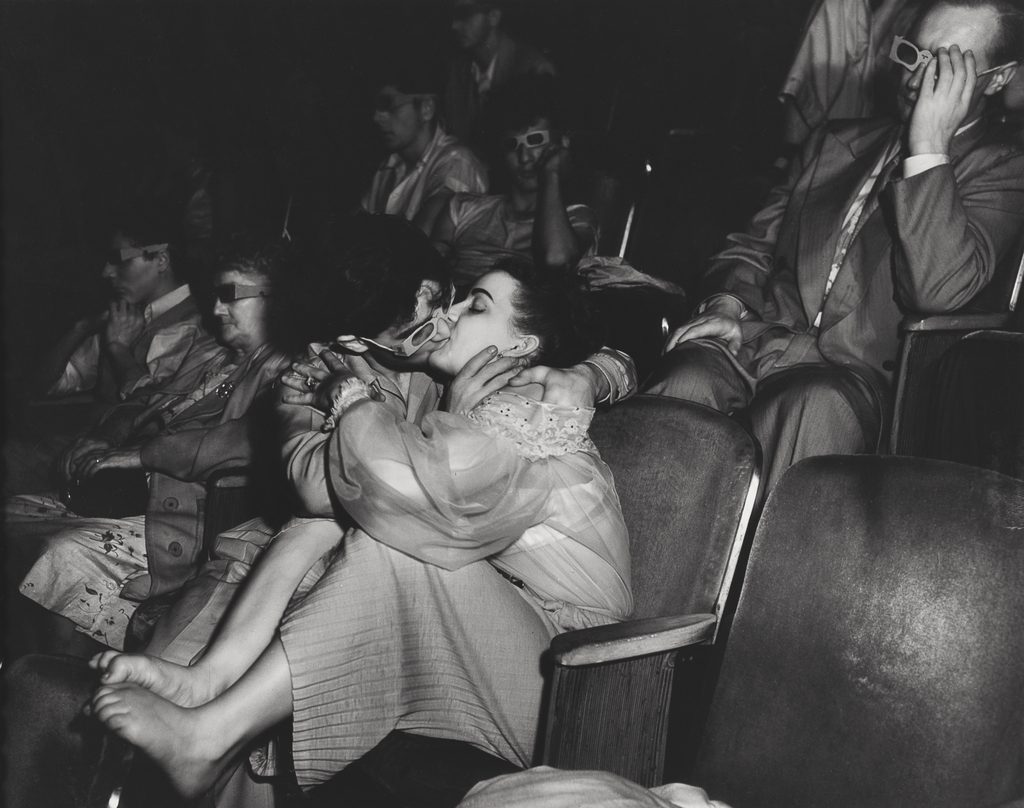
Photography has long been concerned with the relationship between the person behind the camera and the person standing before it. Yet the space separating photographer and subject is never entirely neutral. At LE BAL, The Space Between Us introduces questions of proximity, intimacy and the ways images mediate human relationships. The exhibition’s title suggests that photography is not simply an act of observation, but a form of encounter shaped by distance, trust and the circumstances in which an image is produced. Photographs can preserve gestures of affection, reveal tensions between individuals or make visible relationships that might otherwise remain private. At the same time, they establish a distance between lived experience and its representation. This tension becomes particularly significant when considering how photographs circulate beyond their original contexts, acquiring meanings that may differ from those intended by their subjects or makers. Within the wider programme of Paris Photo, The Space Between Us offers a framework for reflecting on the ethical and emotional dimensions of photographic representation, reminding us that every image implies a relationship between those who create it, those who appear within it and those who eventually encounter it.
Susan Meiselas, Nicaragua, Histoire, Mémoire at Fondation Henri Cartier-Bresson
October 21, 2026 – March 7, 2027
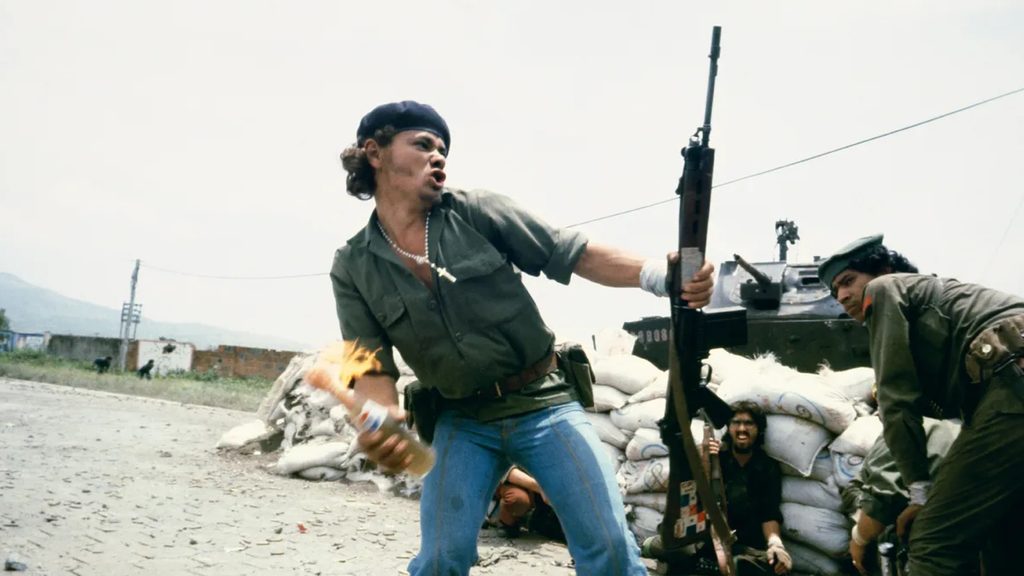
Few photographers have examined the relationship between political history and visual memory with the sustained attention of Susan Meiselas. At the Fondation Henri Cartier-Bresson, Nicaragua. Histoire, Mémoire revisits her photographic engagement with the Nicaraguan Revolution, one of the defining projects of her career. Between 1978 and 1979, Meiselas documented the social and political upheaval surrounding the overthrow of the Somoza dictatorship. Her photographs captured demonstrations, armed resistance and everyday experiences of conflict, producing images that would become closely associated with the revolution’s international representation. Yet Meiselas’s practice extends beyond the act of documenting historical events. Throughout her career, she has returned to questions concerning the circulation, interpretation and ownership of photographs, examining how images continue to function within the communities and histories they represent. Her work challenges the idea that documentary photography offers a complete or definitive account of the past. Instead, photographs emerge as fragments of collective memory, capable of acquiring new meanings as political circumstances and historical perspectives change. In this sense, Nicaragua. Histoire, Mémoire is not only an exhibition about a particular revolution, but also a reflection on the responsibility of images and the complex relationship between witnessing, remembering and representing history.