Returning to Turin for its 33rd edition, Artissima explores the transformative potential of imagination, bringing together 183 international galleries and a programme that extends beyond the conventional boundaries of the art fair.
Artissima returns to Turin from 30 October to 1 November 2026 for its 33rd edition, bringing together 183 galleries from 35 countries at the Oval Lingotto Fiere. Under the direction of Luigi Fassi, the fair continues to position itself as a platform for artistic experimentation, curatorial research and international exchange.
This year’s theme, Fancy: A Flexible, Acrobatic Body, draws on the philosophical thinking of Martha C. Nussbaum, exploring imagination as a transformative force capable of challenging established perspectives and opening up new ways of understanding the present.
Across seven sections, including Present Future, Back to the Future and Disegni, Artissima brings emerging artistic practices into dialogue with established positions, while a programme of special projects and institutional collaborations extends its presence throughout Turin.
Holly Keogh at Soup, Booth R4
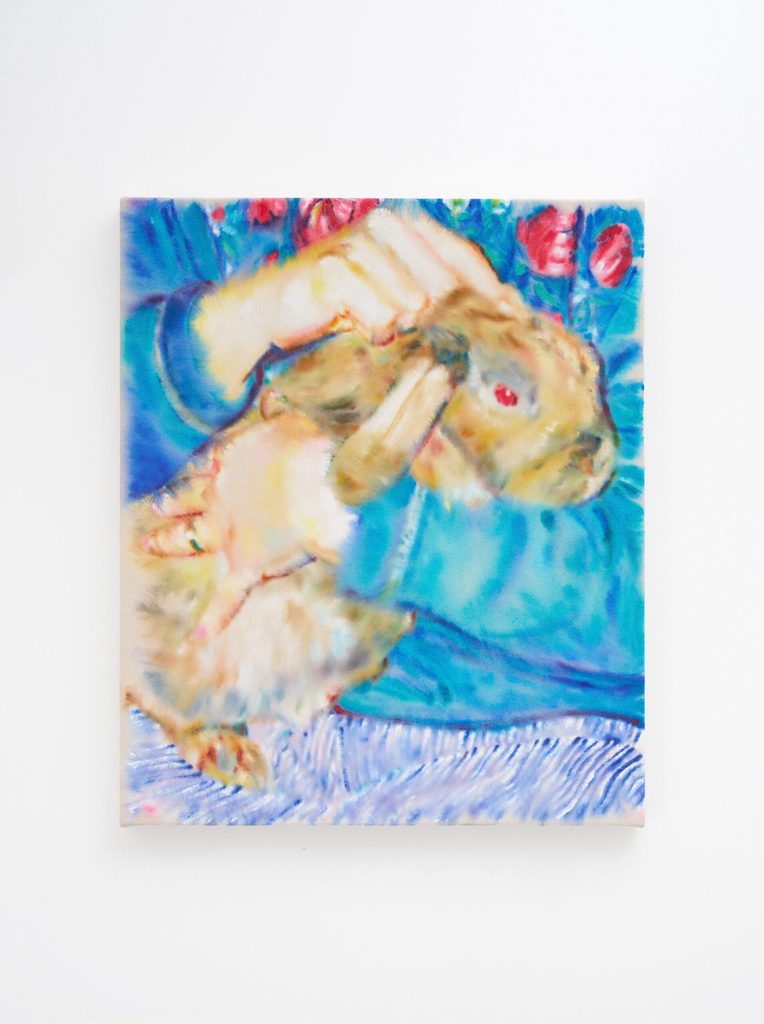
London-based gallery Soup presents Holly Keogh, whose paintings explore the relationship between femininity, glamour and contemporary visual culture. Drawing on personal memories, family photographs and references to popular imagery, Keogh examines how identity is shaped by social expectations and the constant negotiation between public and private life. In Nothing Personal IV (2026), her practice reflects on the tension between desire, vulnerability and the construction of appearances.
Nicole Wermers at Herald St, Booth PA15
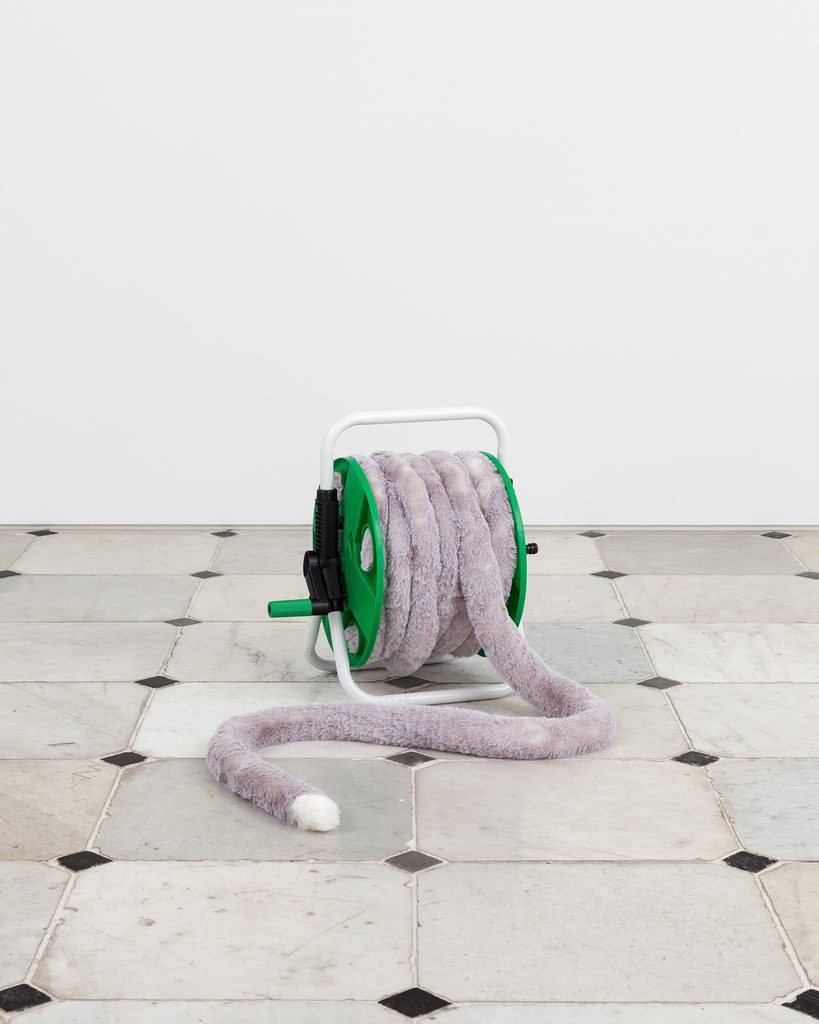
Herald St features Nicole Wermers, whose practice investigates the relationship between everyday objects, social conventions and the built environment. In Domestic Tail (Purple With White Tip, 10 Meters) (2025), an ordinary hose reel is transformed through the addition of an elongated synthetic-fur tail. Combining industrial functionality with an unexpectedly organic presence, the sculpture questions the systems through which objects acquire meaning, value and purpose.
Andrea Di Lorenzo at Fuocherello, Booth O6
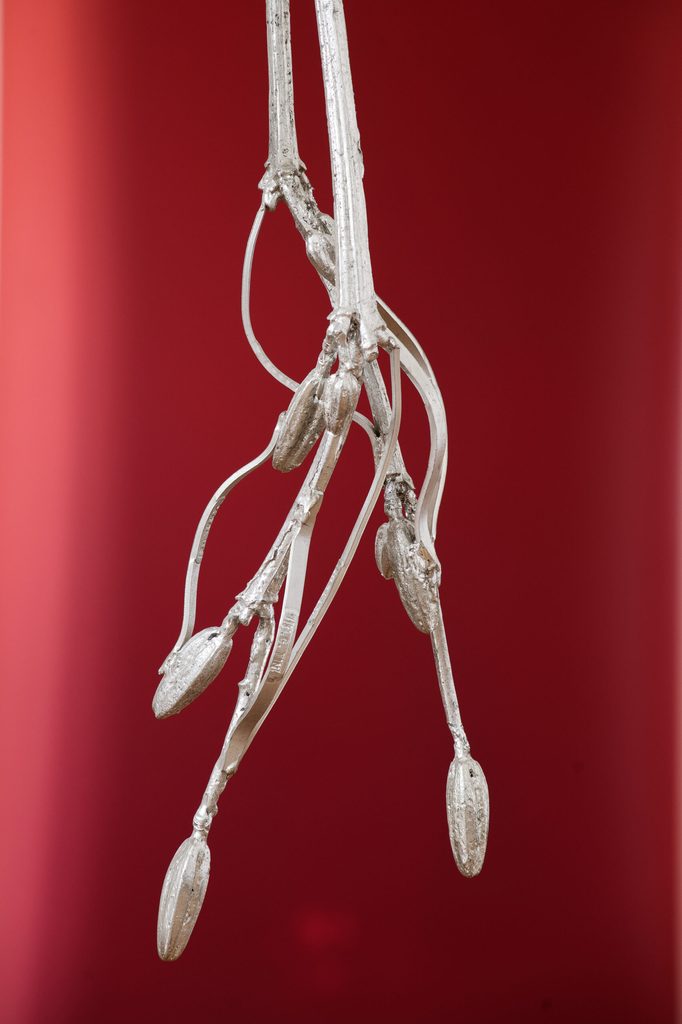
Fuocherello brings together artists working across different approaches to sculpture and contemporary experimentation, including Andrea Di Lorenzo. Through assemblage and material interventions, the artist explores the transformative potential of objects and the relationship between organic forms and artificial structures. His practice introduces a sense of instability, challenging conventional associations between materials, functions and the spaces they inhabit.
Gabrielle Goliath at Raffaella Cortese, Booth W9-P10
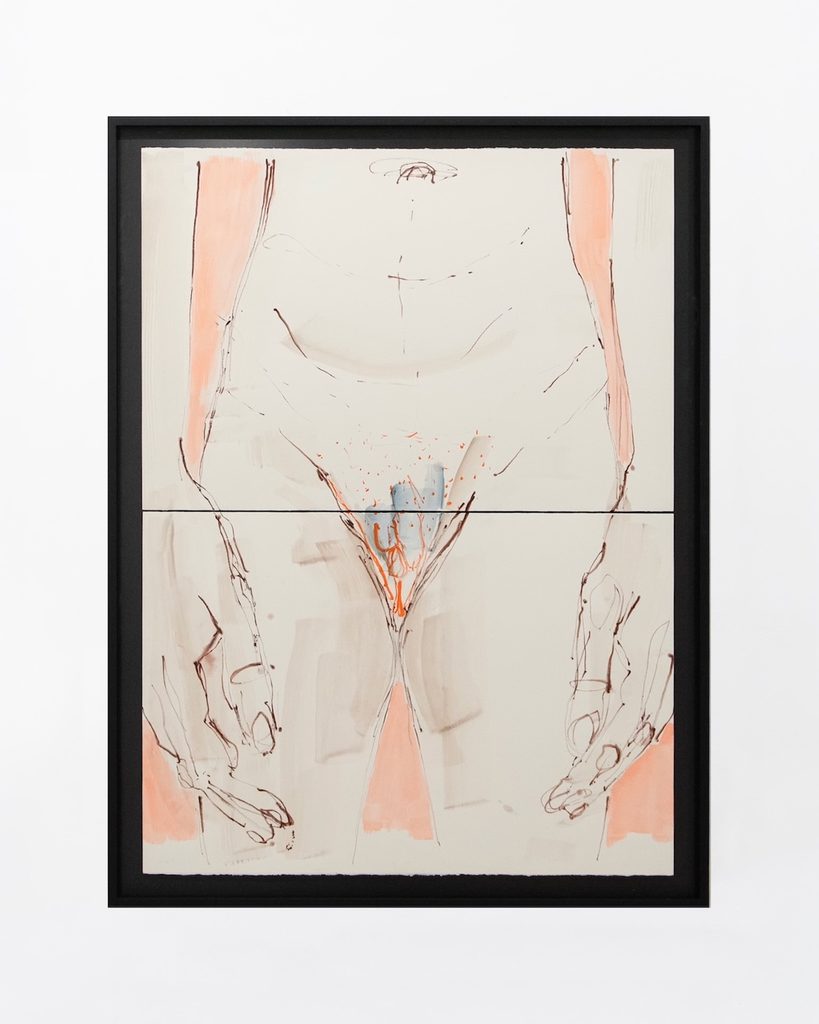
Galleria Raffaella Cortese presents works by artists from different generations, including South African artist Gabrielle Goliath. Addressing questions of violence, memory and representation, Goliath’s practice considers art’s capacity to create spaces for listening, recognition and collective reflection. Her work introduces a critical political and social dimension to a presentation that brings together diverse approaches to contemporary artistic practice.
Sacha Kanah at Clima, Booth G1-B2
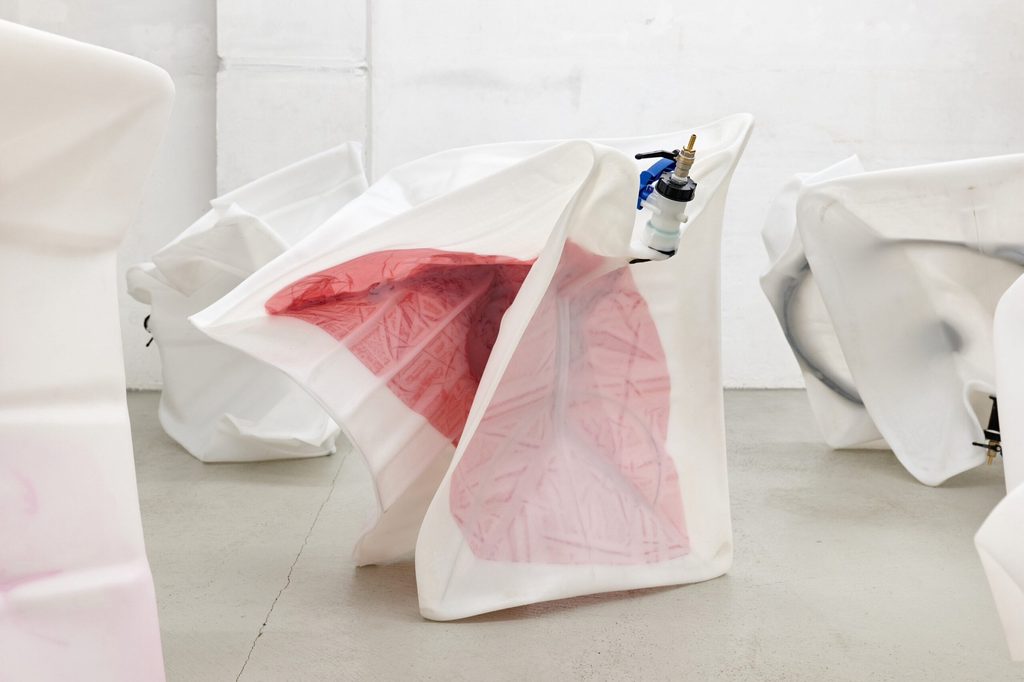
Clima Gallery brings together the practices of Sacha Kanah and Valerio Nicolai. Kanah’s work investigates the expressive possibilities of materials and surfaces, developing forms that move between objects, structures and organic entities. In A Little Green Rosetta (2025), industrial elements interact with seemingly soft and mutable components, generating a tension between containment and transformation while reconsidering the physical and perceptual qualities of matter.
Che-Yu Hs at Vanguard, Booth PF8

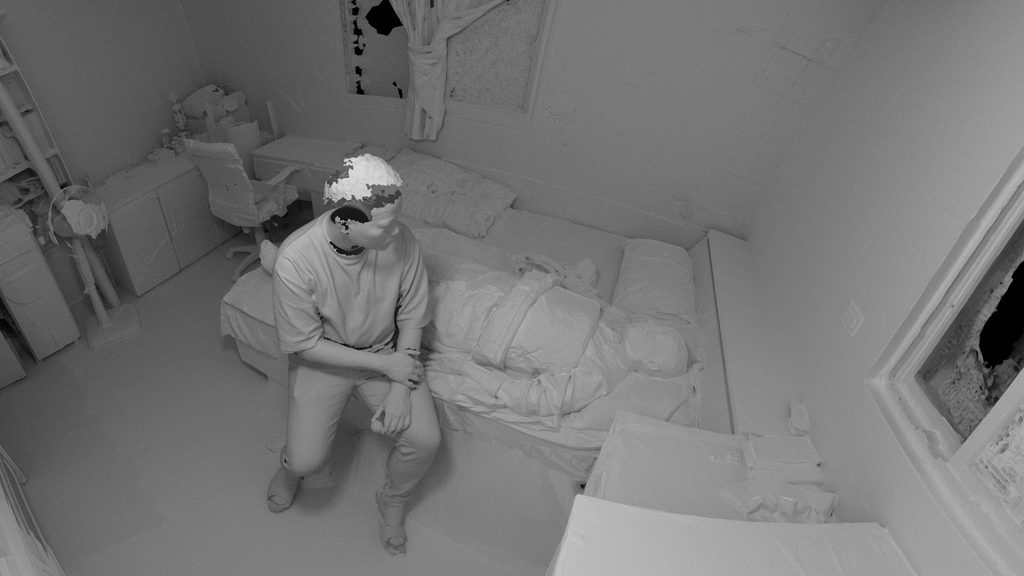
Vanguard Gallery presents Taiwanese artist Che-Yu Hsu, whose practice explores the intersections of memory, the body and digital representation. Working with moving images, three-dimensional reconstruction and virtual environments, Hsu investigates how contemporary technologies reshape our perception of human experience. Works such as Catastrophism (2025) and Gray Room (2022) address bodily vulnerability, the construction of memory and the consequences of technological mediation.
Alessandro Manfrin at Gian Marco Casini, Booth PB16
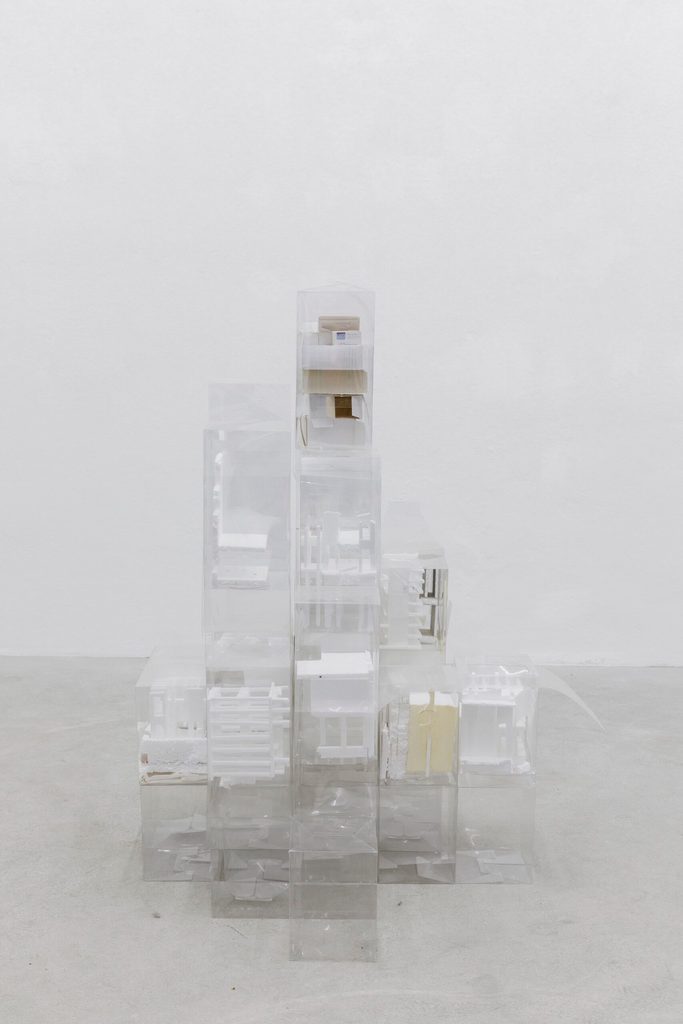
Gian Marco Casini Gallery presents Alessandro Manfrin alongside Clarissa Baldassarri, Hamza Badran and Margherita Moscardini. Through architectural constructions and spatial models, Manfrin investigates how environments are represented, organised and translated into images. His work Bomboniera explores the relationship between architecture, objecthood and material memory, challenging the boundaries between sculptural form and architectural representation.
Mateusz Okoński at UFO, Booth B6
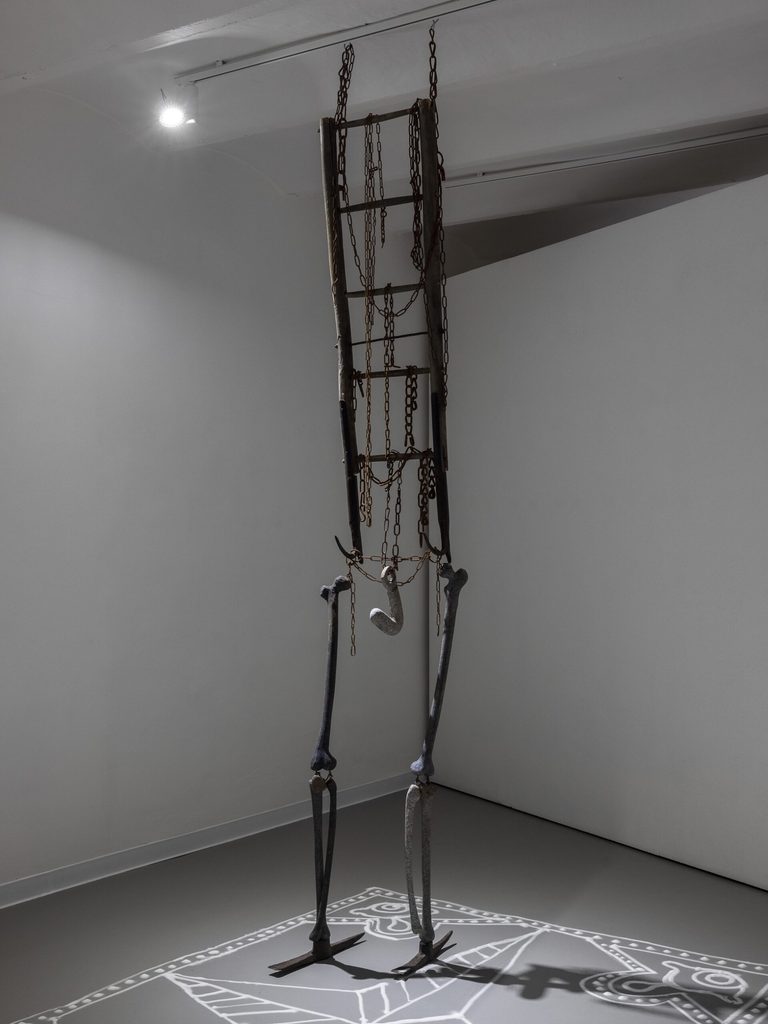
UFO brings together Mateusz Okoński and Bogumił Książek in a presentation exploring different approaches to sculptural and visual representation. Okoński’s practice draws on historical references, anthropomorphic forms and enigmatic objects, combining recognisable elements with unexpected configurations. His sculptural constructions evoke a space between archaeology, symbolic imagination and contemporary material culture, encouraging new interpretations of familiar forms.
Andro Eradze at SpazioA, Booth P5-G6
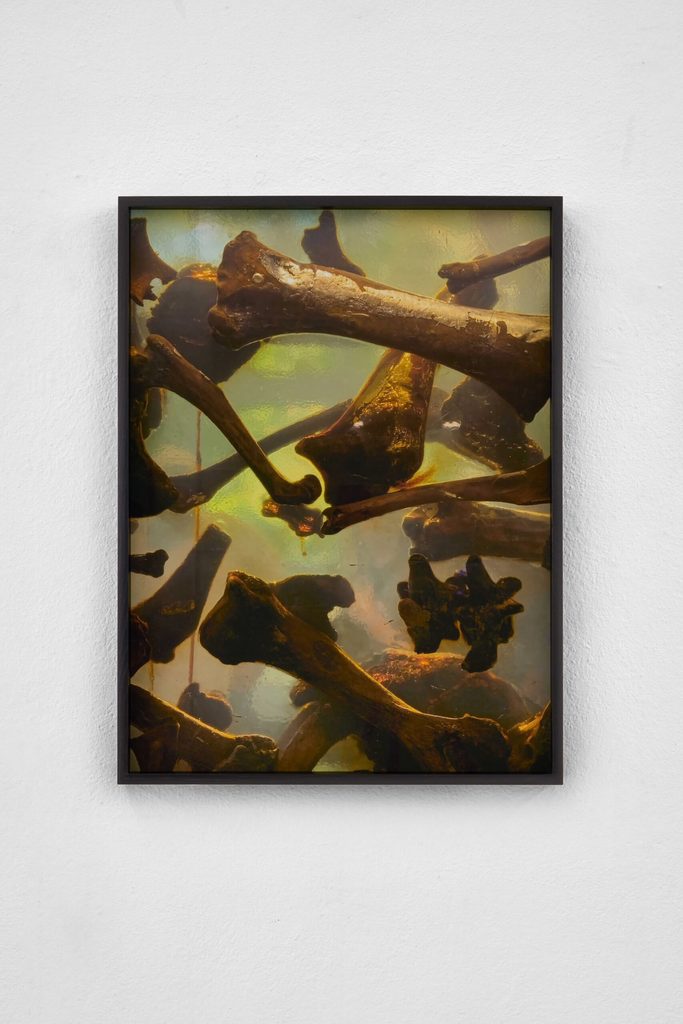
SpazioA presents Andro Eradze, whose multidisciplinary practice spans photography, moving images and installation. Exploring the relationship between natural environments and human intervention, Eradze constructs unsettling visual narratives in which familiar landscapes acquire an ambiguous, almost otherworldly quality. His work evokes environments where animal and vegetal presences suggest alternative forms of existence beyond human control.