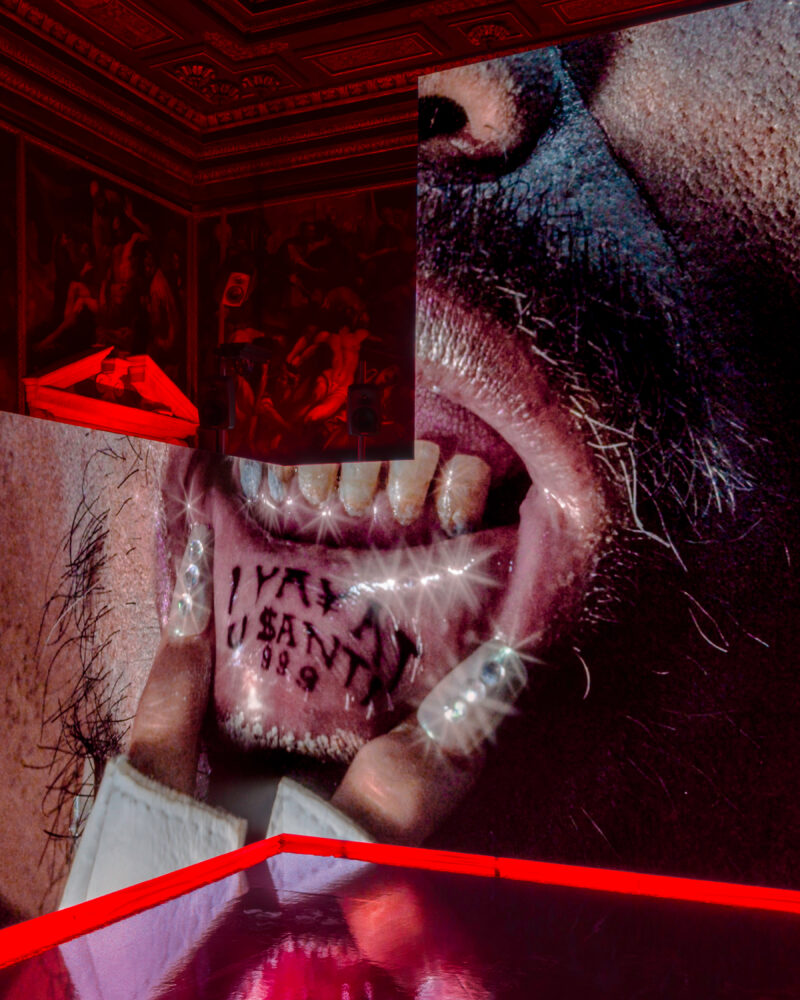
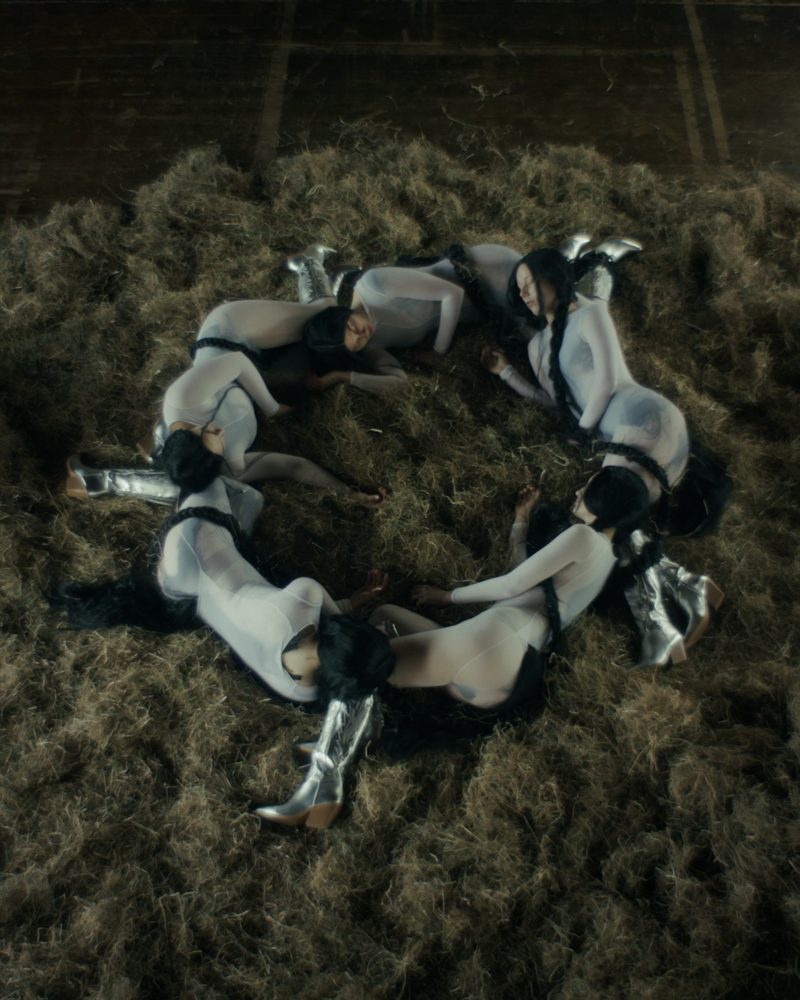
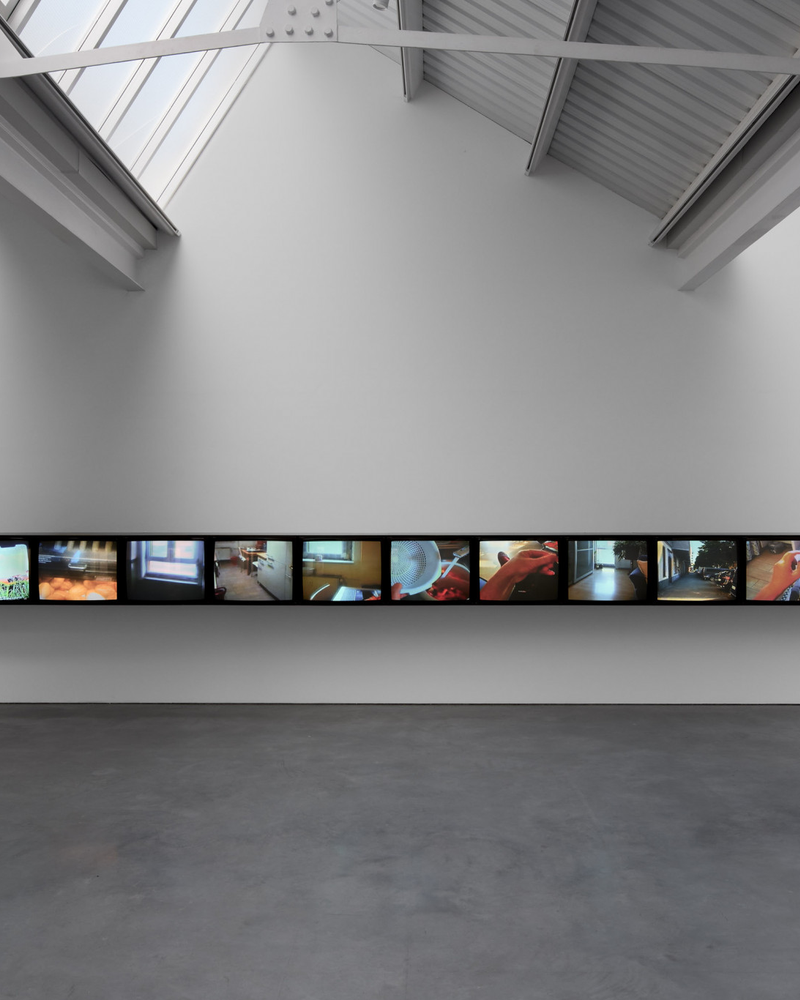
Bernard T. Sestig and Middernacht & Alexander explore memory, erosion and transformation at THE GET, Ghent.
In an era increasingly defined by digital abstraction and ecological uncertainty, contemporary culture has developed a renewed fascination with materiality. Across art, architecture, and design, objects are no longer perceived merely as functional entities or aesthetic commodities; they have become repositories of memory, witnesses to industrial histories, and carriers of emotional and social narratives. The growing interest in reuse, preservation, and transformation reflects a broader cultural shift: a desire to reconnect with the physical world and to reconsider the traces left behind by human activity.
“The ruin creates the present form of a past life.”— Georg Simmel
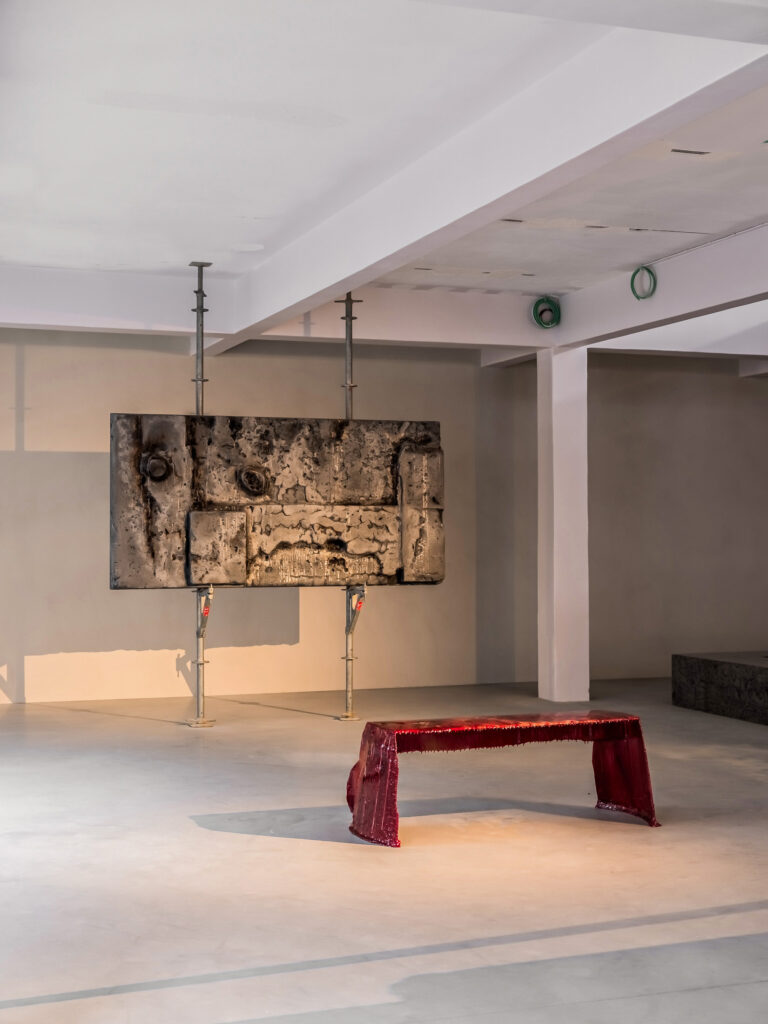
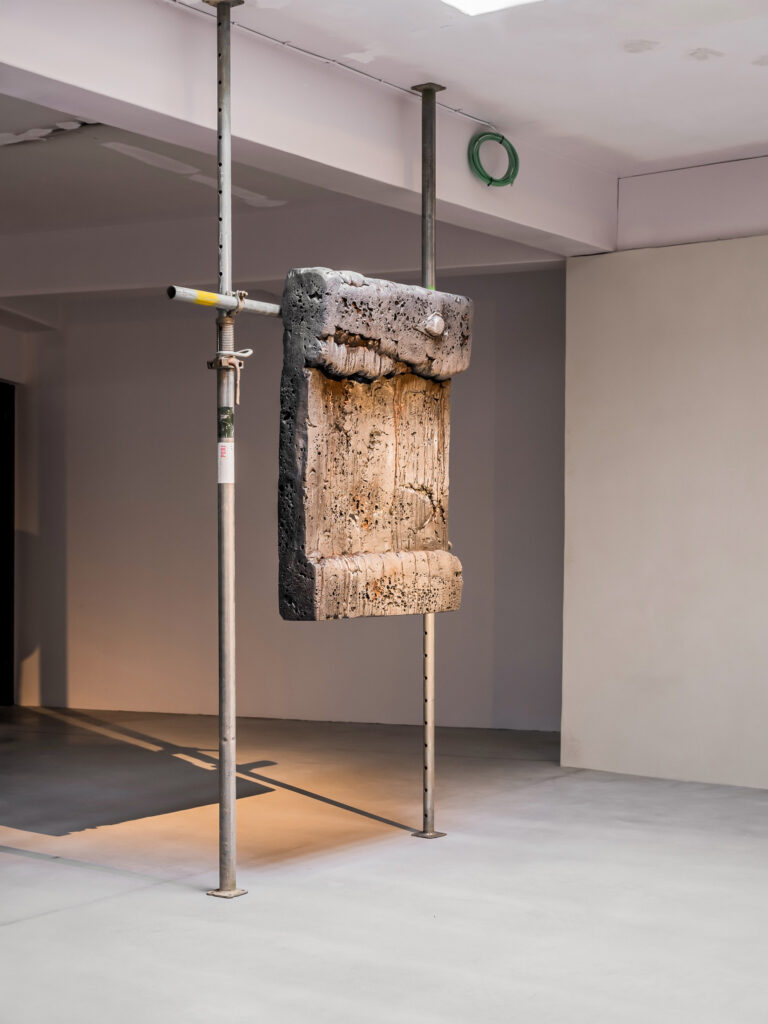
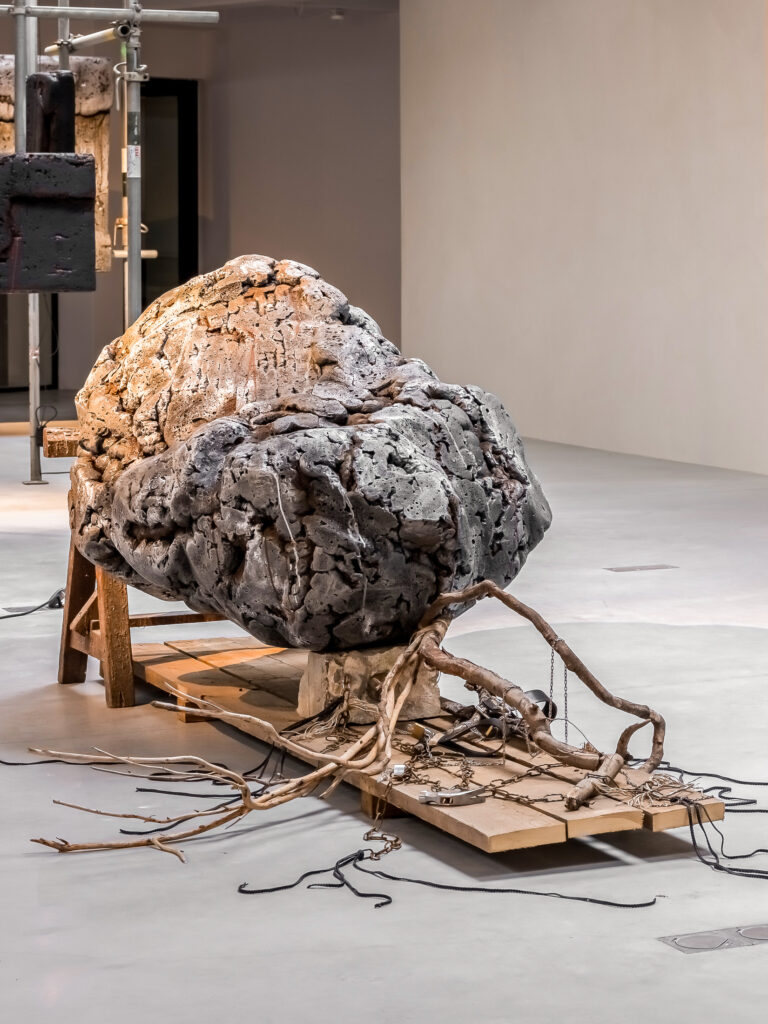
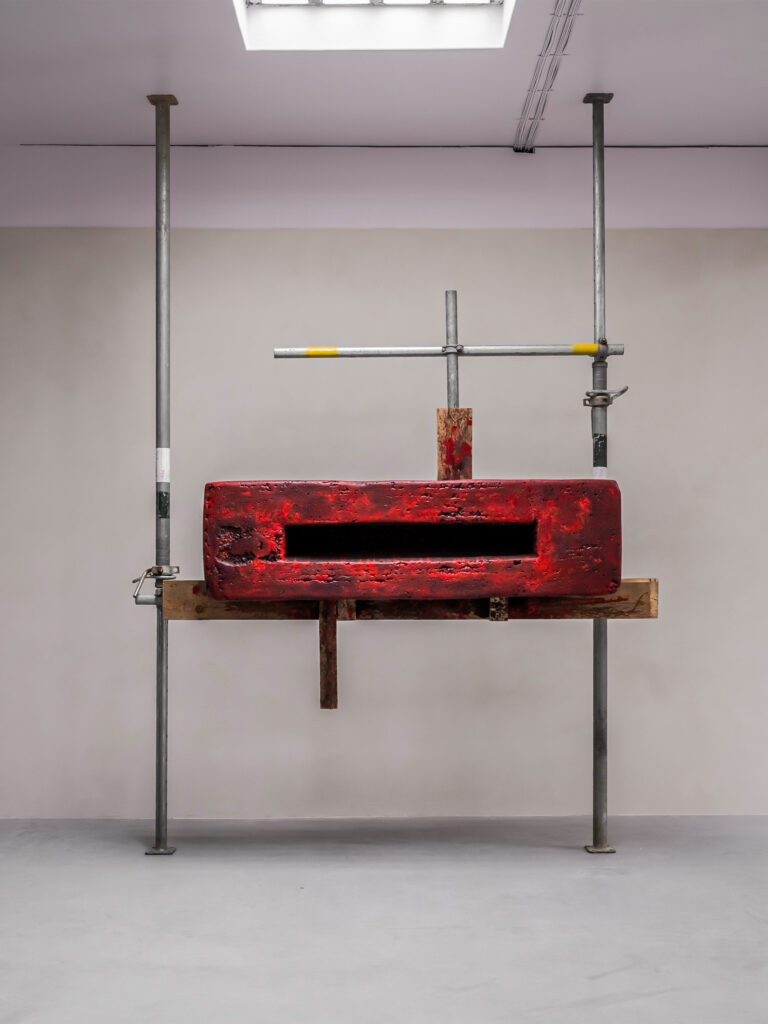
It is within this context that La Rencontre du Troisième Type unfolds at THE GET, the newly inaugurated cultural space conceived by Belgian architect Glenn Sestig in Ghent. Bringing together Belgian multidisciplinary artist Bernard T. Sestig and the artistic duo Middernacht & Alexander, the exhibition explores the poetic and psychological potential of materials marked by time, tension, and transformation.
The title itself, La Rencontre du Troisième Type (“Close Encounter of the Third Kind”), suggests an unexpected meeting between different worlds. Here, that encounter takes place through matter: between sculpture and design, destruction and preservation, memory and reinvention. Rather than presenting distinct artistic practices side by side, the exhibition creates a dialogue in which each body of work amplifies the other, revealing shared concerns about fragility, permanence, and the invisible forces shaping contemporary life.
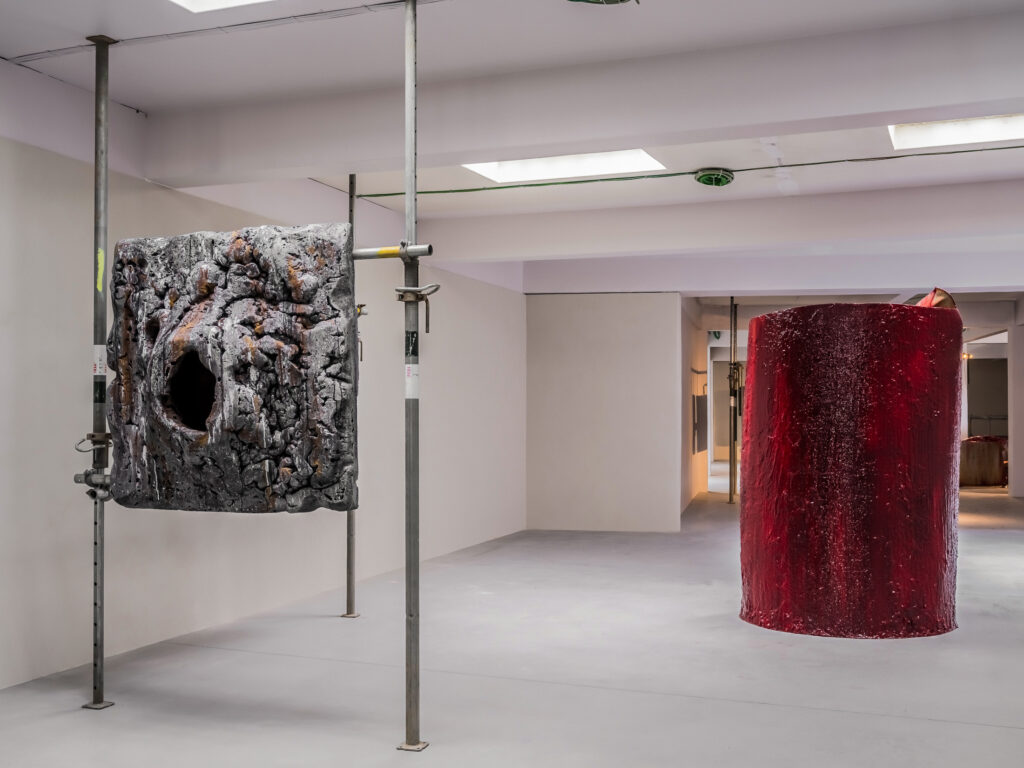
Bernard T. Sestig’s sculptures emerge as emotionally charged presences. Working across disciplines that include fashion, scenography, architecture, painting, and sculpture, Sestig has developed a language deeply rooted in material expression. His monumental forms evoke both geological remnants and bodily fragments, oscillating between attraction and discomfort. Embedded within their surfaces are references to environmental collapse, psychological tension, and the latent violence that often underpins modern systems of production and consumption.
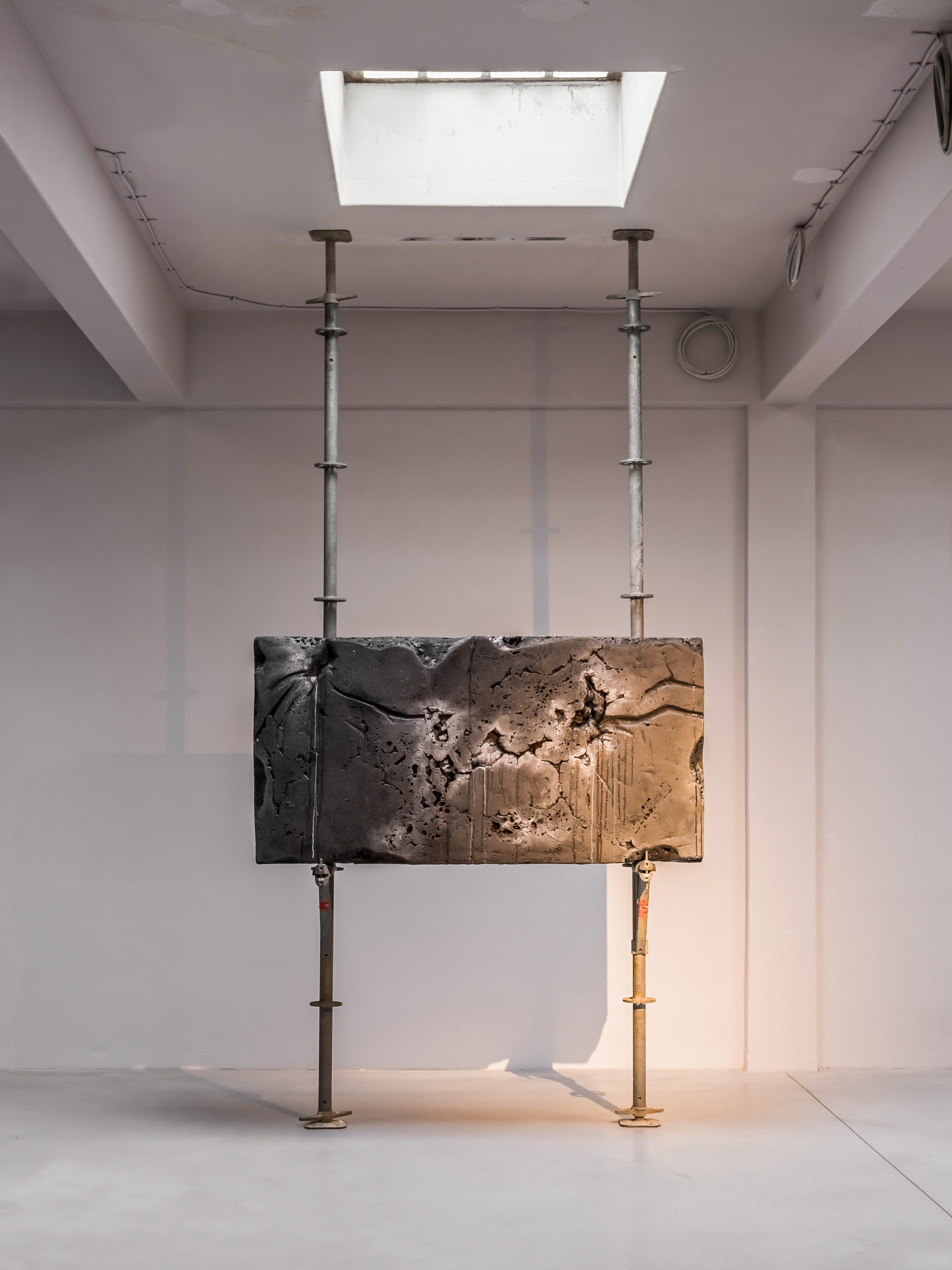
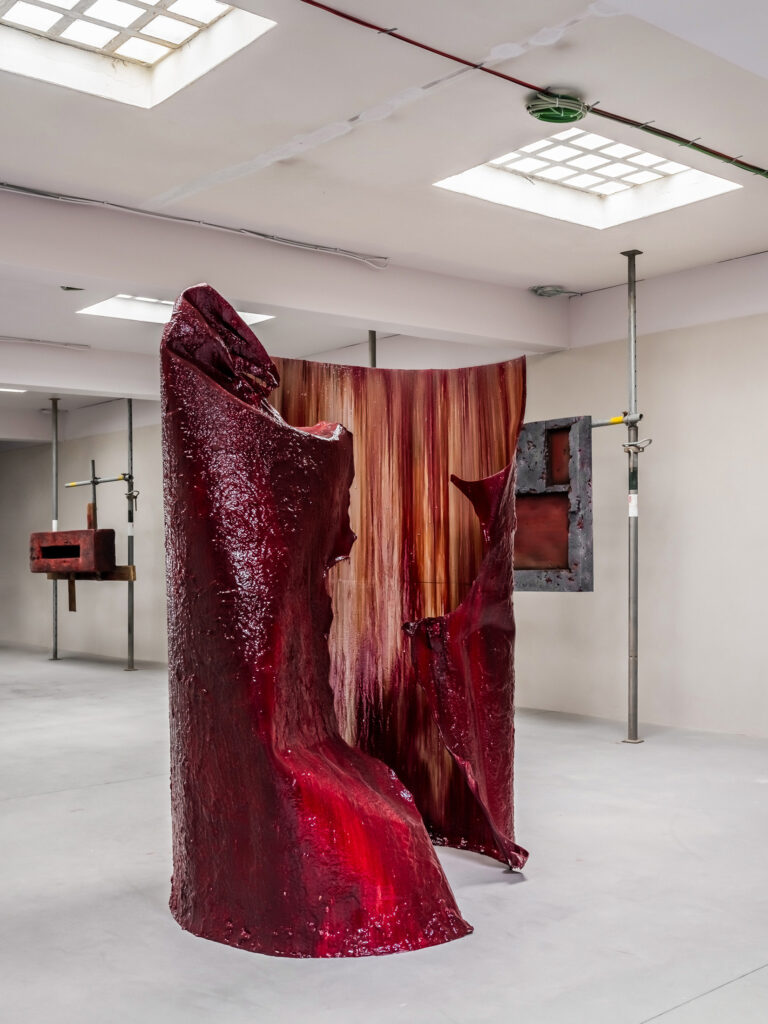
Opposite, yet profoundly connected, stands the work of Middernacht & Alexander. The Belgian duo has become internationally recognised for transforming decommissioned industrial oil tanks into collectible furniture and sculptural objects. Their practice operates through a process of recovery and recontextualisation, preserving corrosion, damage, and wear rather than erasing them. In doing so, they challenge conventional notions of value and beauty, inviting viewers to consider how objects accumulate histories and how those histories can be reactivated through design.
Together, the artists engage in a broader cultural conversation about the afterlife of materials. In a society increasingly concerned with sustainability, resource depletion, and environmental responsibility, their works resist the logic of disposability. Instead, they propose an alternative approach in which deterioration becomes meaningful and imperfection becomes a form of knowledge.
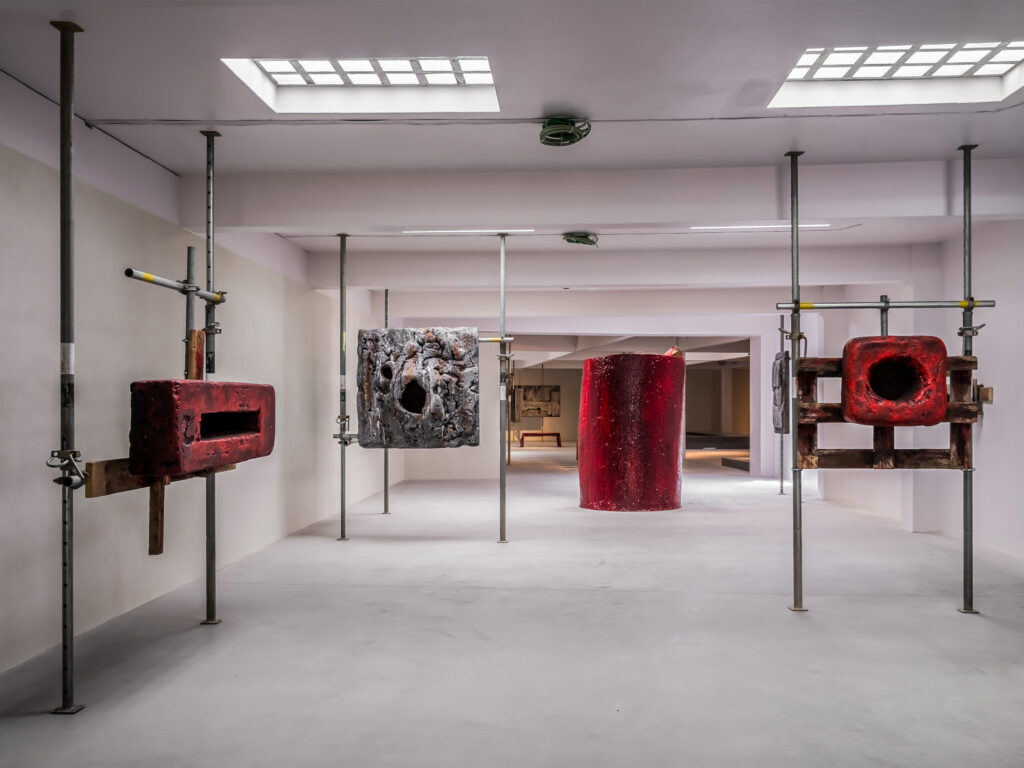
The architecture of THE GET plays a crucial role in this encounter. Designed by Glenn Sestig, whose practice is known for its rigorous spatial clarity and refined material sensibility, the venue functions not merely as a container for artworks but as an active participant in the exhibition. The open, minimalist environment heightens the physical presence of the sculptures while creating a contemplative atmosphere where visitors can experience the works as spatial and emotional events.
Curated by Fabian Jean Villanueva, whose practice operates at the intersection of art, design, fashion, and cultural storytelling, the exhibition avoids rigid disciplinary boundaries. Instead, it embraces hybridity, reflecting a contemporary cultural landscape in which distinctions between art, collectible design, architecture, and narrative continue to dissolve.
La Rencontre du Troisième Type is less about objects themselves than about the relationships they generate. It invites us to reconsider what materials remember, what histories remain embedded in surfaces, and how transformation can become an act of preservation rather than erasure.
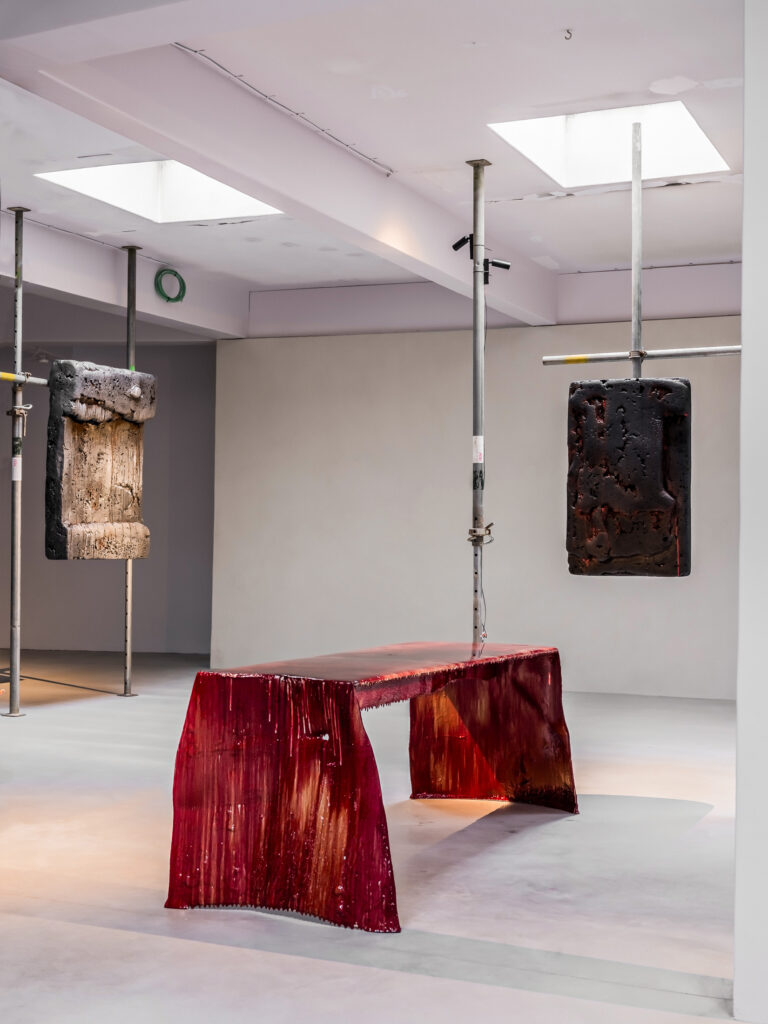
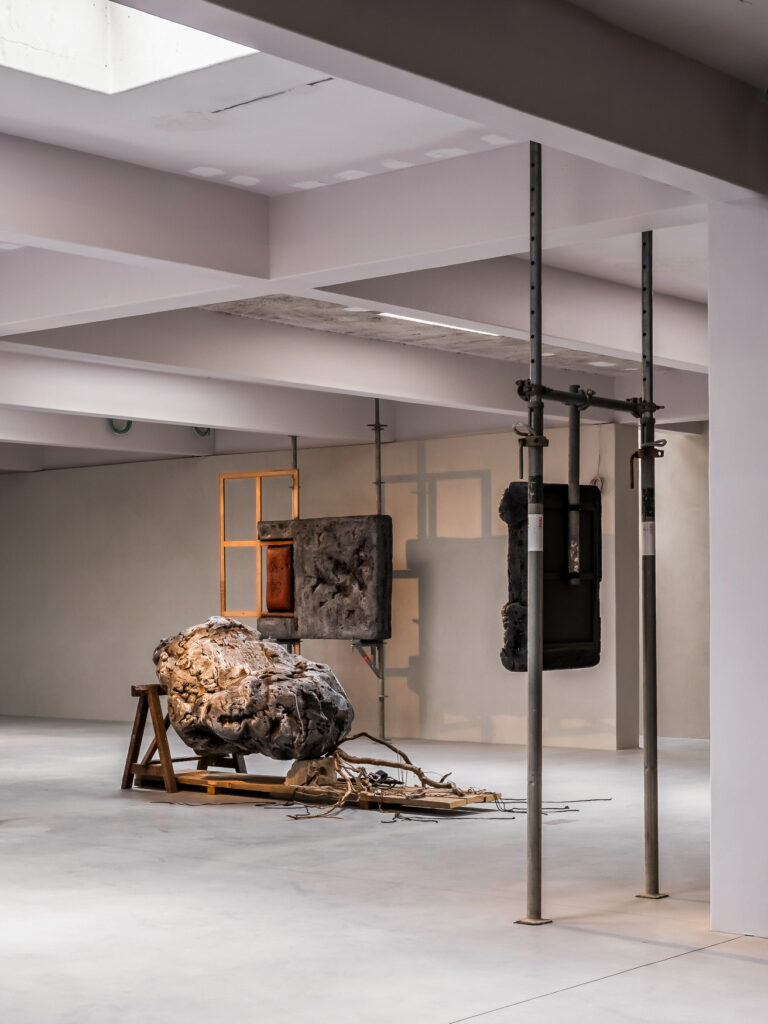
On view at THE GET in Ghent until 28 June 2026, La Rencontre du Troisième Type inaugurates a new cultural space while simultaneously opening a wider conversation about the future of material culture itself.
Curated by Fabian Jean Villanueva
Credit: Simone Lorusso
Photo by Cafeine