
Vestigia’s “DON’T CALL ME COLLECTIBLE!”: Why Research Matters More Than Collectibility
Curated by Cosimo Bonciani, the exhibition at Villa Marie challenges the notion of collectible design, proposing a vision rooted in research, territory and material culture.
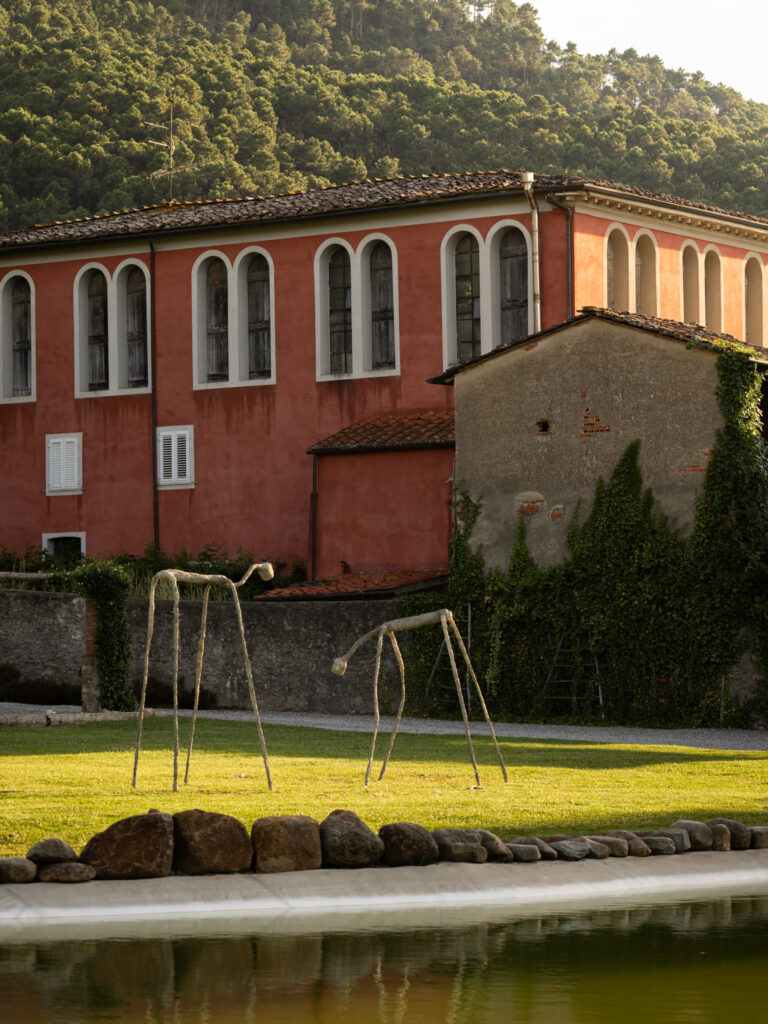
There was a time when design was judged by its ability to improve everyday life. Today, it is increasingly evaluated by its scarcity. Limited editions, gallery exclusives and auction results have transformed many contemporary objects into financial assets before they are understood as cultural artifacts. In this shift, the word collectible has become both a promise of value and a limitation, reducing complex research processes to a market category.
Yet some of the most compelling design practices emerging today refuse this simplification. They are less interested in producing desirable objects than in using objects to investigate materials, territories and ways of inhabiting the world. Design, in this sense, becomes a form of knowledge rather than a commodity.
It is precisely from this perspective that Vestigia presents DON’T CALL ME COLLECTIBLE!, an exhibition curated by Cosimo Bonciani and hosted at Villa Marie in Tuscany. Rather than rejecting the collectible design market, the exhibition questions the adequacy of the label itself, proposing a broader understanding of contemporary design as research, experimentation and cultural production.
The title is intentionally provocative. It asks a simple but essential question: what are we really looking at when we observe a contemporary design object? Is it an investment destined for a private collection, or is it the visible outcome of an intellectual and material investigation? Echoing design historian Glenn Adamson, the exhibition suggests that definitions such as Collectible Design or Design Art often function more as commercial taxonomies than as accurate descriptions of contemporary practice.

This vision takes shape through the work of an international group of designers whose practices span furniture, sculpture, material experimentation and spatial research. Bunker Studio, Costantino Gucci, Millim Studio, Duccio Maria Gambi, Moneyless, ETEREO, Neemesi, Filippo Mannucci, Older Studio, Francesco Doria, Francesco Maria Messina, IAMMI IAMMI, TERRÆSTUDIO, Jacob Egeberg, Tips Studio, Jonathan Bocca, Laurids Gallée, Leonardo Cappellini, Studio Shepherd, TABLEAU x Bloc Studios, Tommaso Pardini and Tommaso Spinzi each contribute a distinct perspective, yet all share a common commitment to design as an open-ended process of inquiry rather than the production of collectible objects.
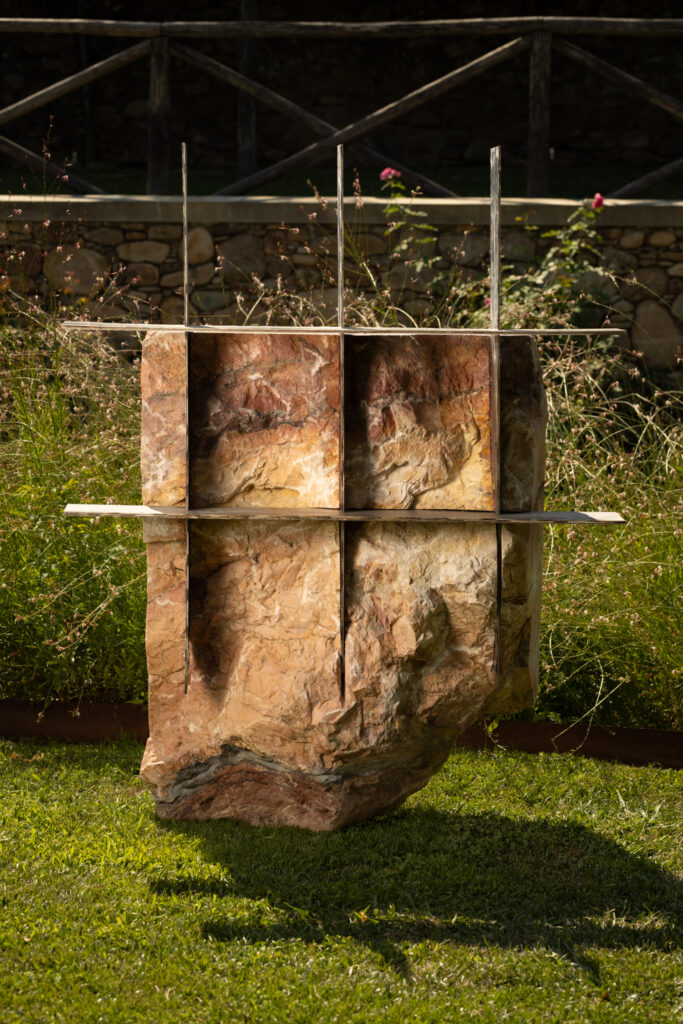
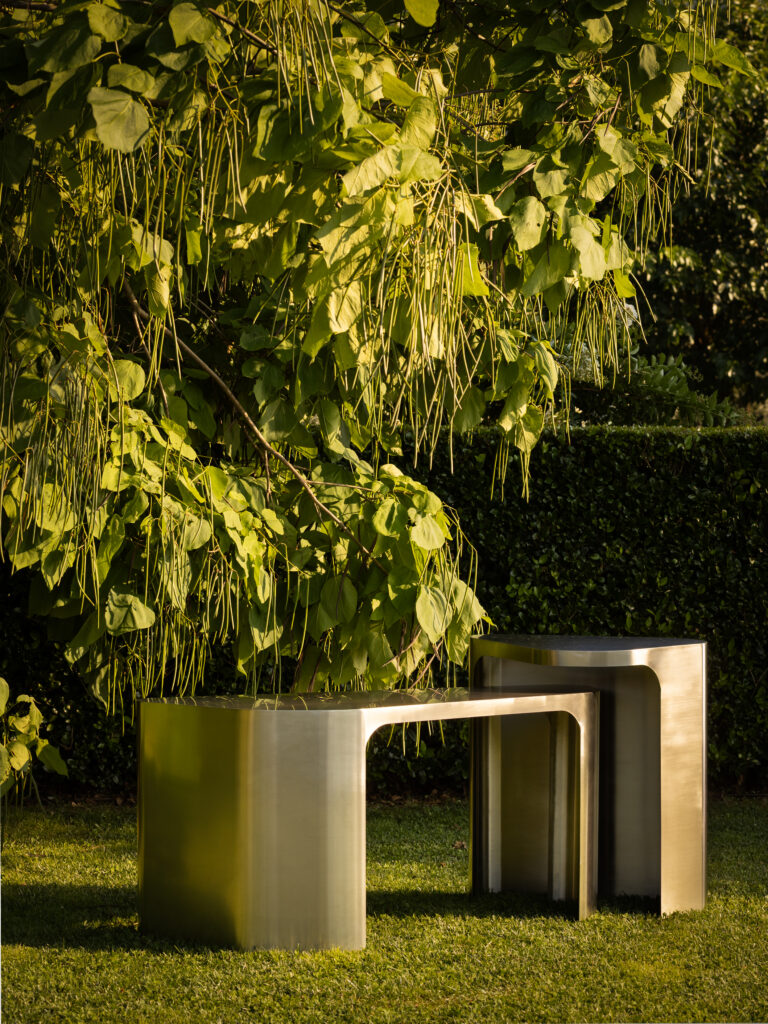
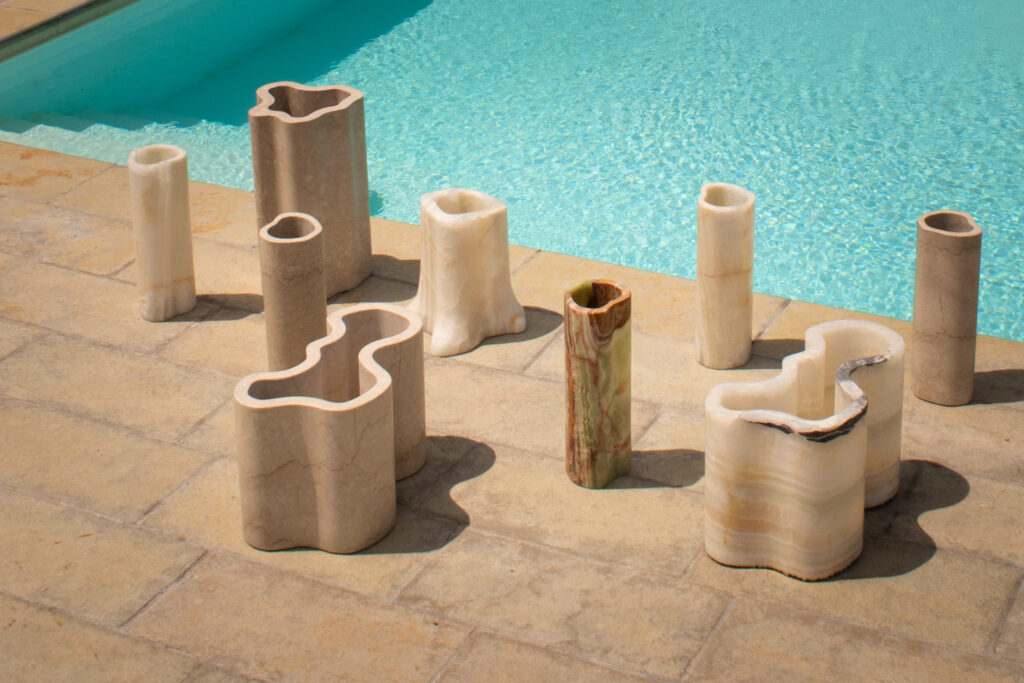
The projects presented at Villa Marie demonstrate a different approach. Each work originates from a dialogue with materials, craftsmanship and local knowledge. Here, traditional techniques are not treated as nostalgic relics but as living tools capable of generating new forms of thinking. Matter becomes an active collaborator in the design process, resisting standardization while opening unexpected possibilities.
The exhibition also proposes a renewed understanding of territory. Tuscany is not employed as an aesthetic backdrop or a romanticized image of Italian craftsmanship. Instead, it functions as a cultural device: a place where architecture, production, landscape and social history have continuously shaped one another. As geographer Doreen Massey argued, places are never static identities but intersections of multiple trajectories. Vestigia embraces this idea, presenting territory as something dynamic, where ancestral techniques coexist with digital culture, personal memories intersect with global influences, and local materials become vehicles for universal questions.
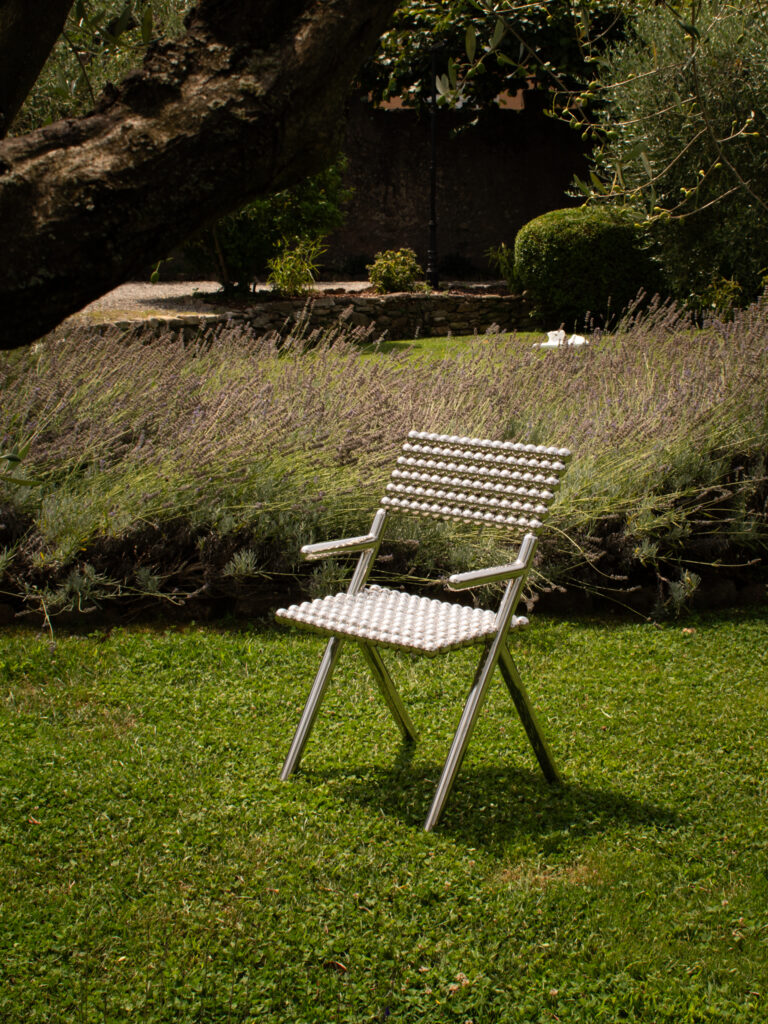
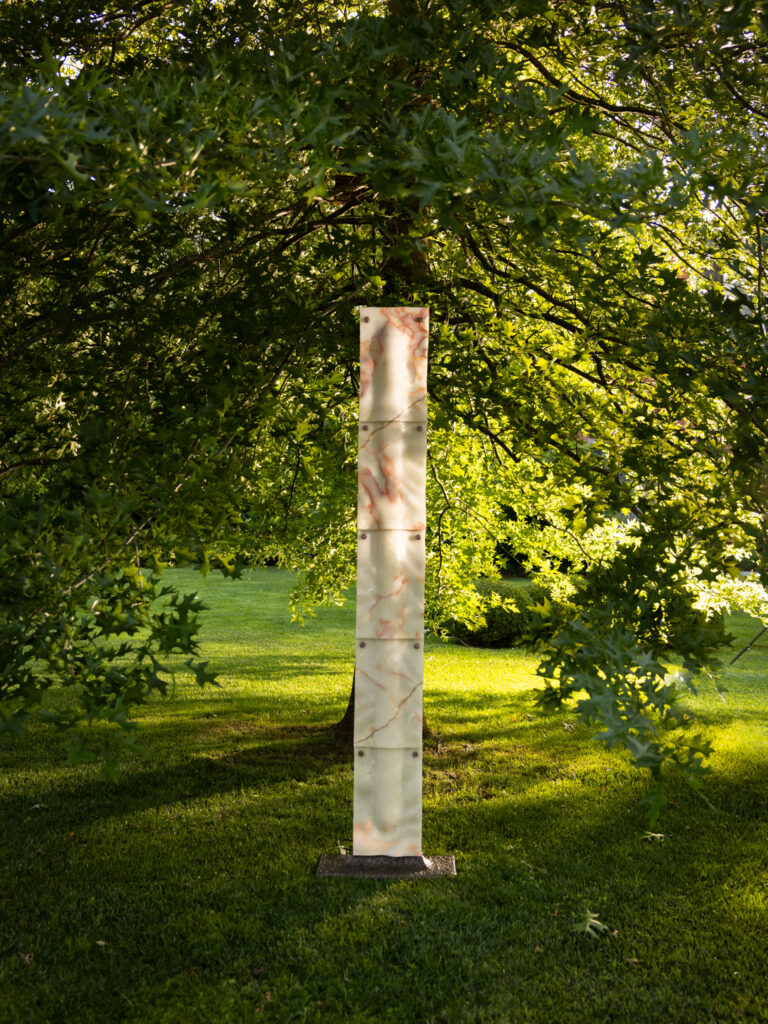
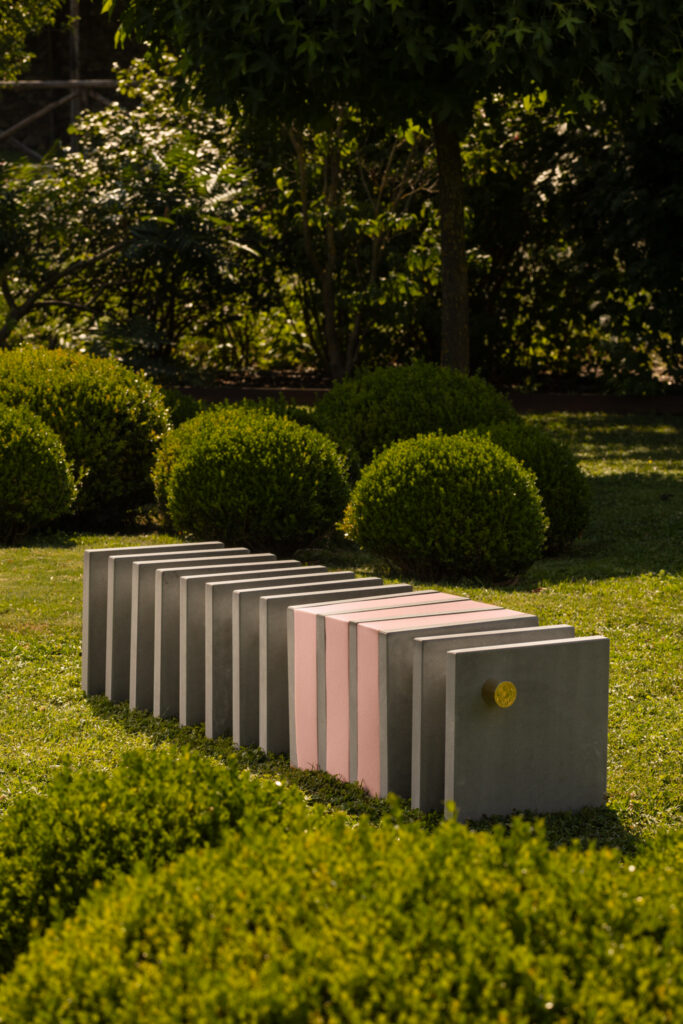
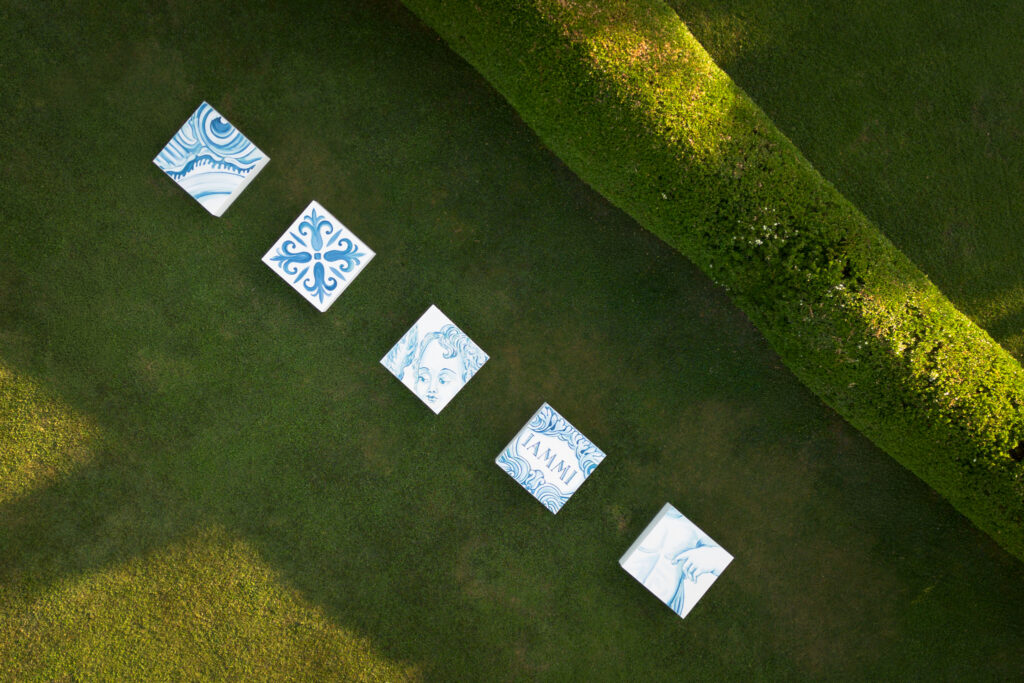
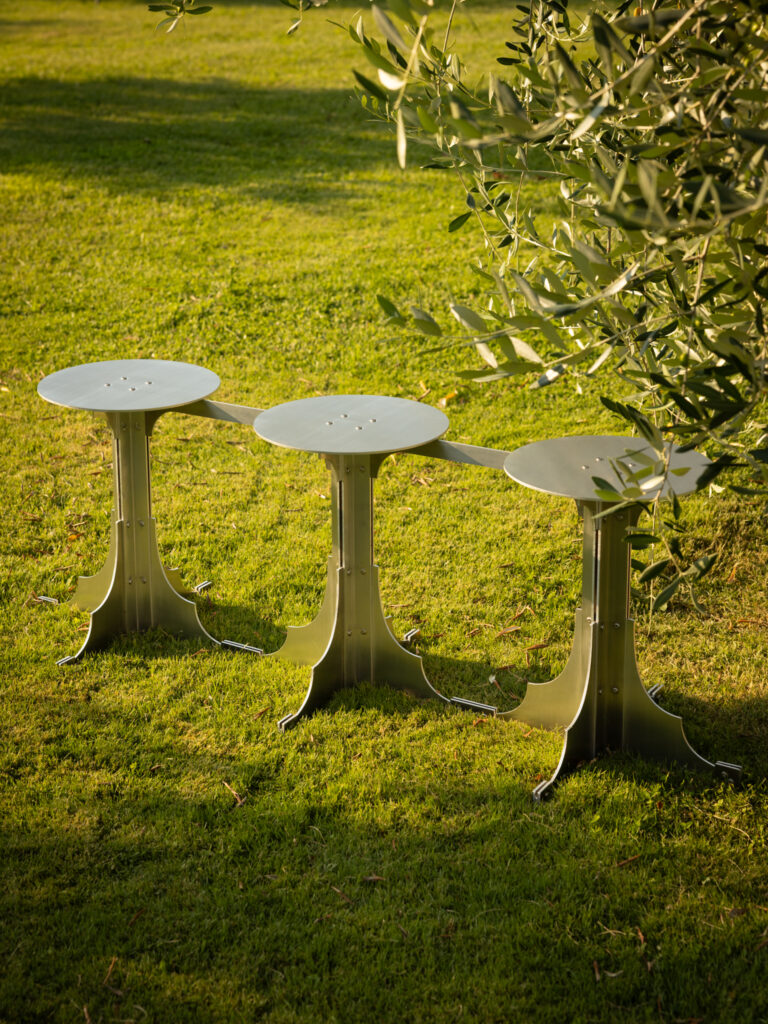
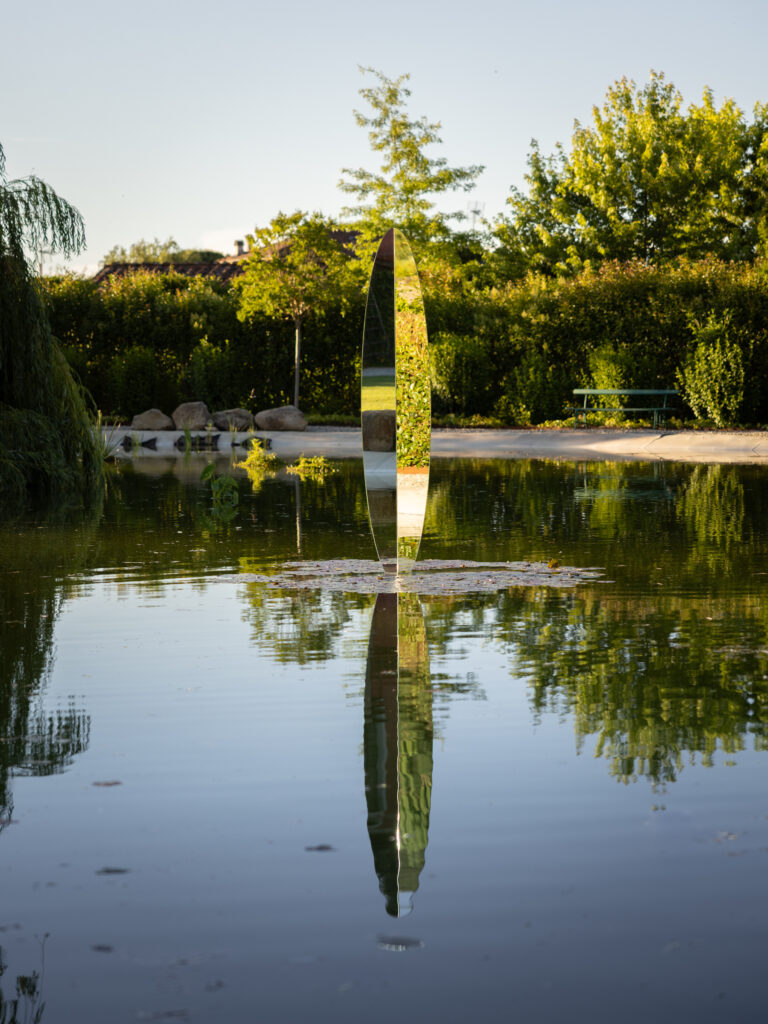
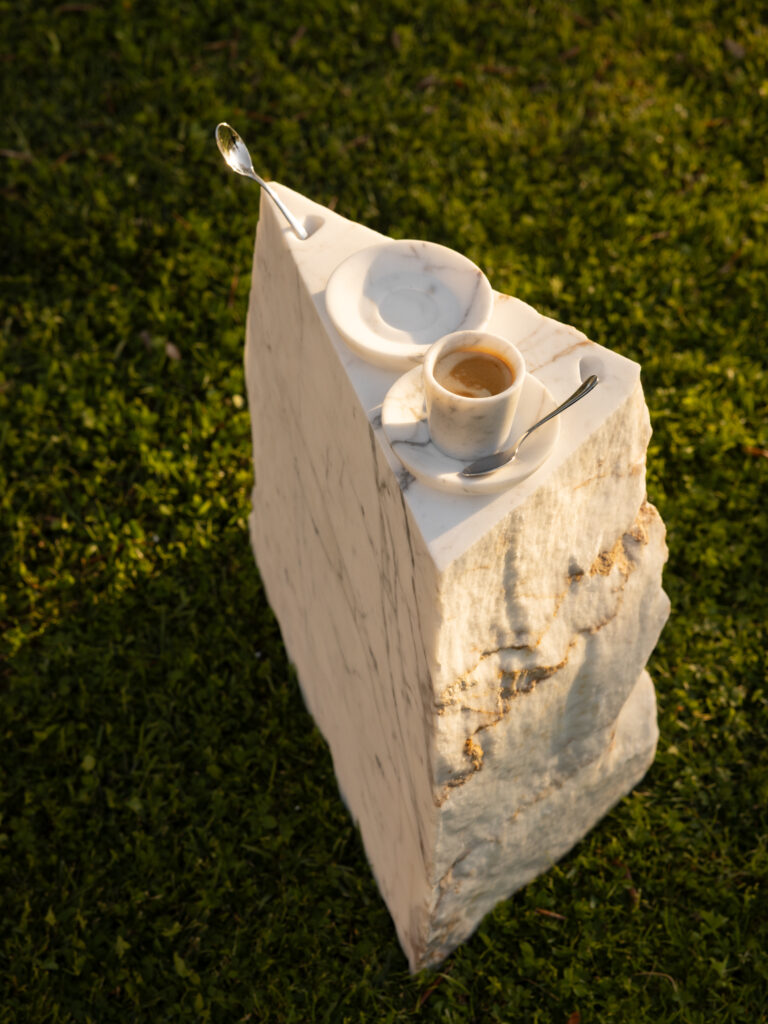
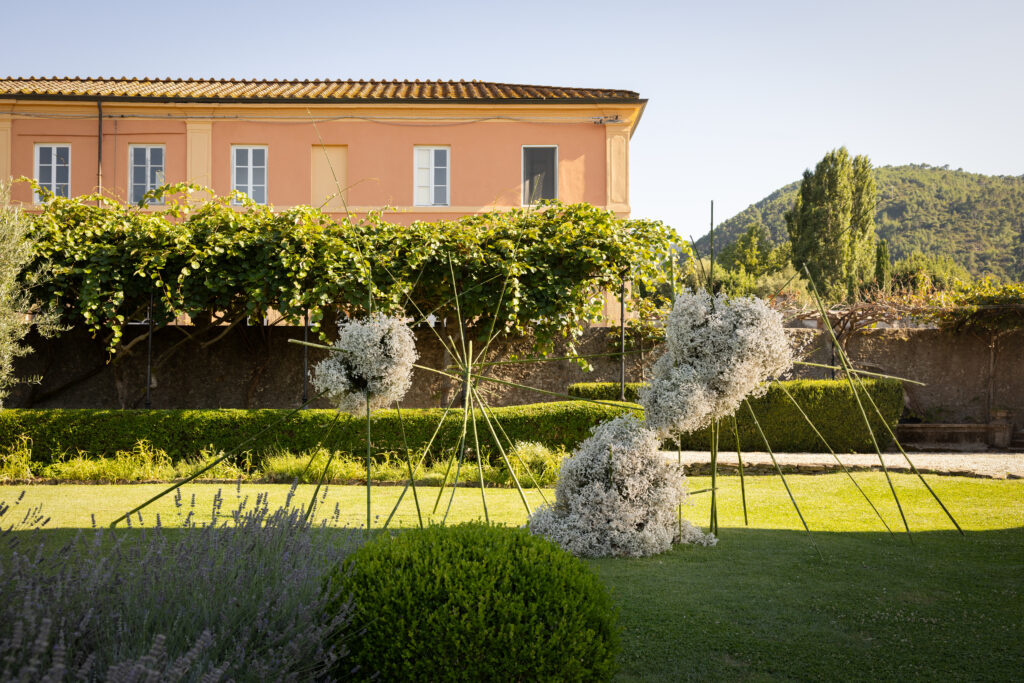
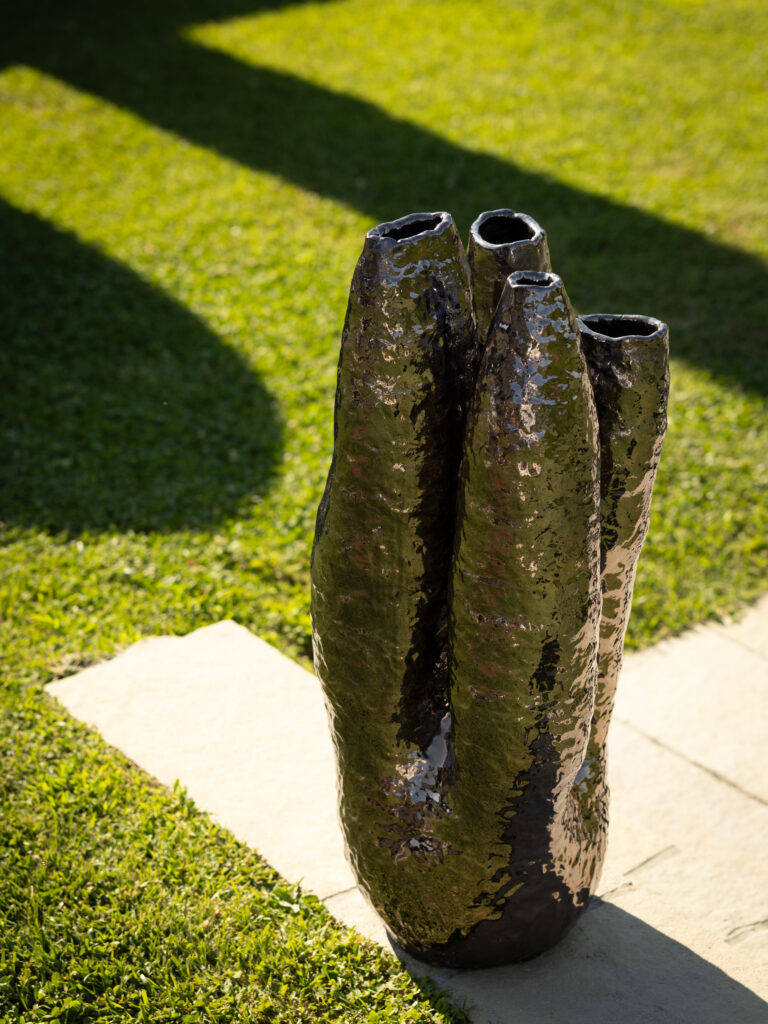
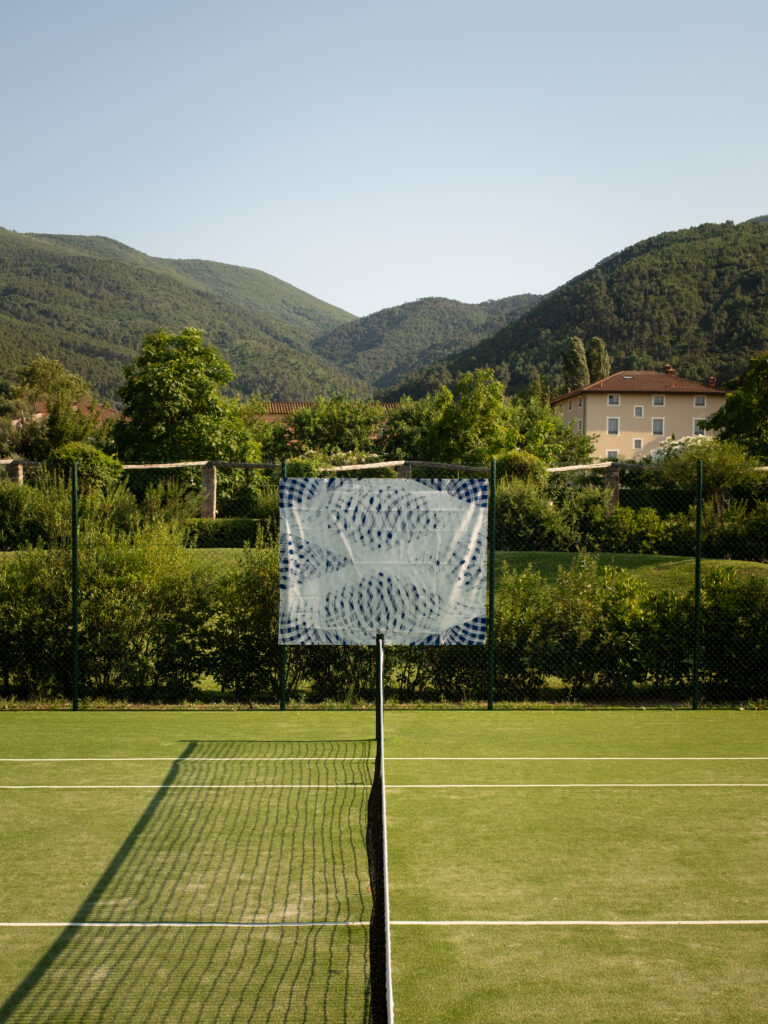
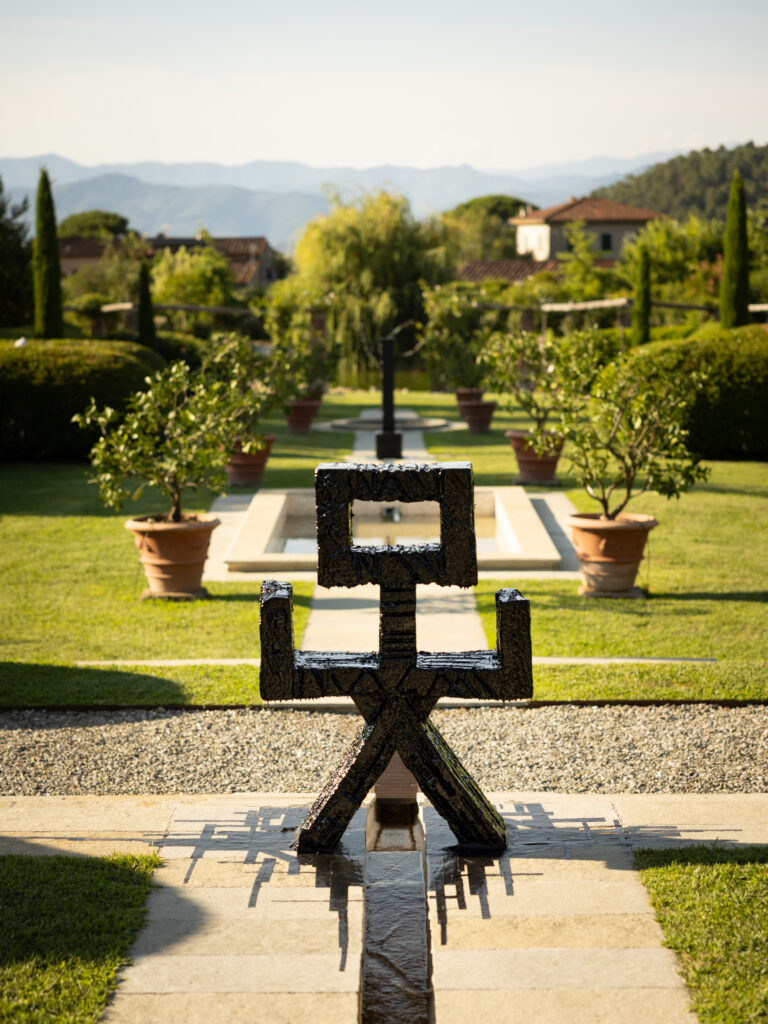
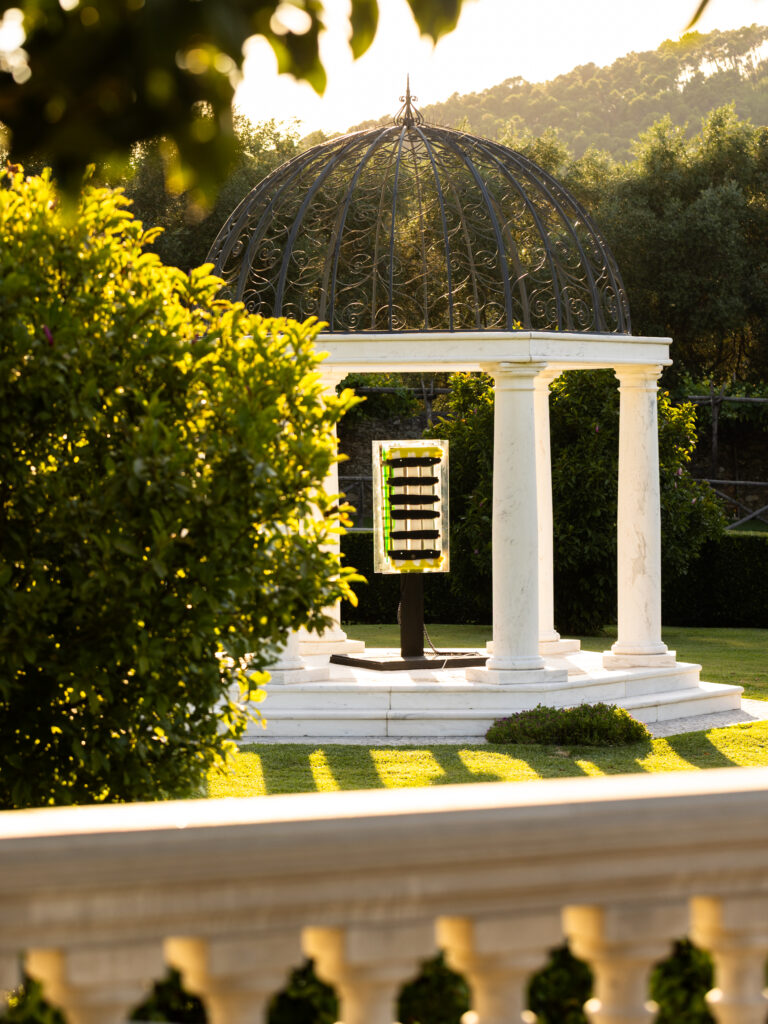
This relationship between place and project becomes tangible throughout the exhibition. Installed within the gardens and architecture of Villa Marie, the works continuously interact with natural light, vegetation and stone. They are not isolated on pedestals but embedded within an environment that changes throughout the day, inviting visitors to experience them through movement, scale and perception rather than through images alone. In an era dominated by screens, the exhibition restores the physical encounter between body and object, recalling Richard Sennett’s notion of craftsmanship as embodied knowledge rather than mere technical skill.
Perhaps the exhibition is asking us to rethink something larger than design itself. In a culture increasingly driven by visibility, exclusivity and market recognition, can an object still be valued for the questions it raises rather than the price it commands? The answer may ultimately define not only the future of collectible design, but the future of design culture as a whole.
Period of exhibition:
July 5, 2026 – September 26, 2026.
Credit: Simone Lorusso
Photo by Dario Borruto
Dates available for tours or visits:
Tours and visits will be available twice per month on the following dates: July 10 and 17; August 1, 7, and 21.