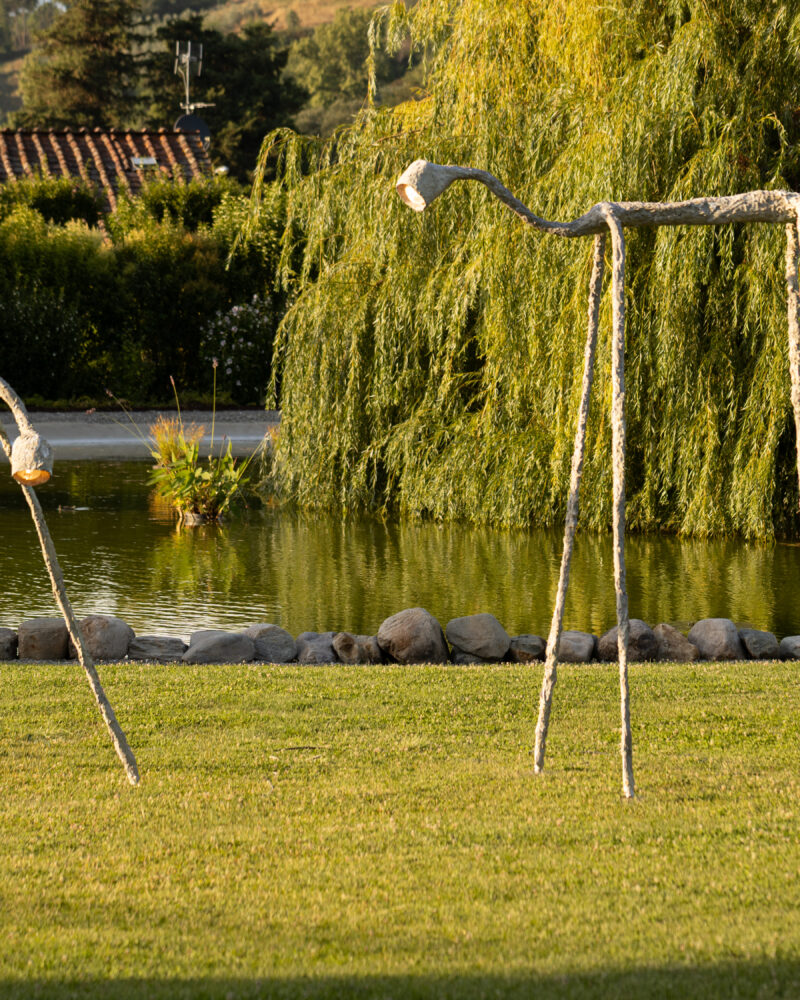
During the first edition of Currents Berlin, FORMA Gallery brings Veronika Janovec’s sculptures into dialogue with the hand-knotted carpets of Jan Kath Design. The exhibition also reflects the way the young Berlin gallery approaches the increasingly porous boundaries between art, design and space.
What makes a city a design capital today? It is no longer enough to concentrate talent, studios and institutions. In an increasingly international creative system, what matters above all is the ability to make connections, communities and different practices visible as part of a shared cultural landscape.
Berlin embodies this condition particularly well. Design has long coexisted with the art, architecture, fashion and music that define the city’s identity, yet it has never emerged quite as clearly as a unified scene. Rather than a distinct “Berlin school”, what exists today is an ecosystem of designers, galleries, manufacturers, independent studios and universities, each with very different languages and approaches.
It is precisely this plurality that Currents. Design in Berlin, running from September 10 to 12, 2026, seeks to make visible through a city-wide festival spread across studios, showrooms, universities and galleries.
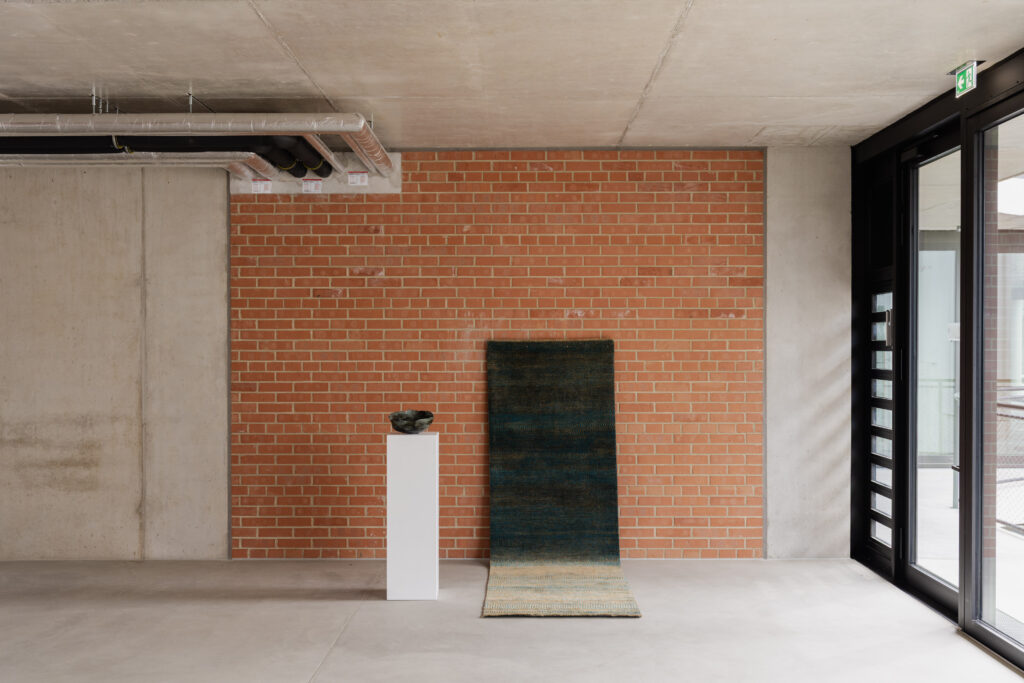
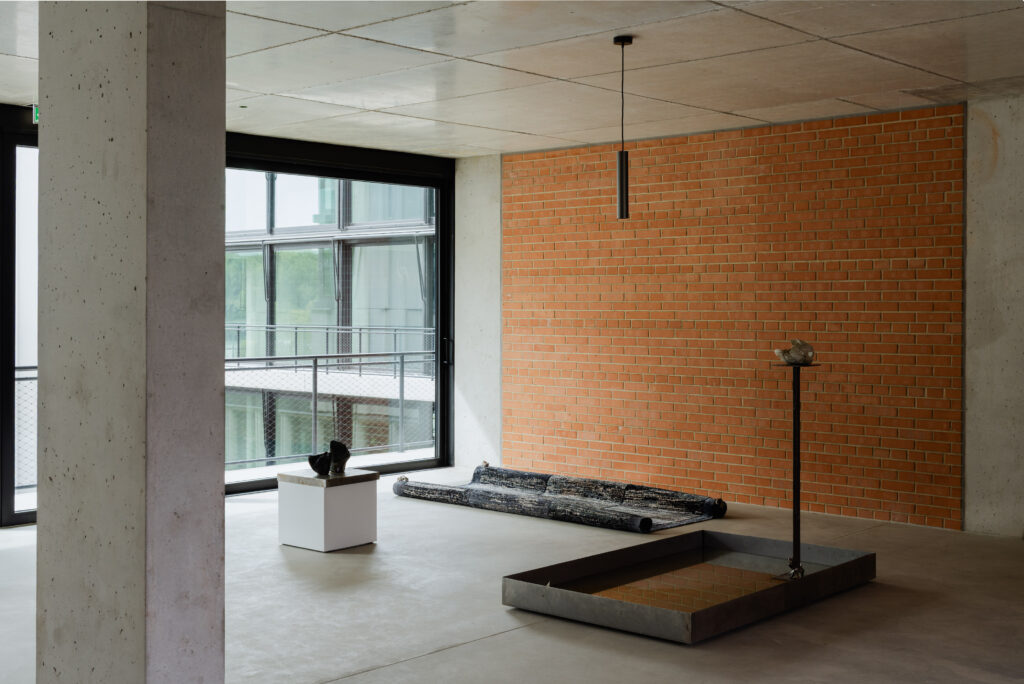
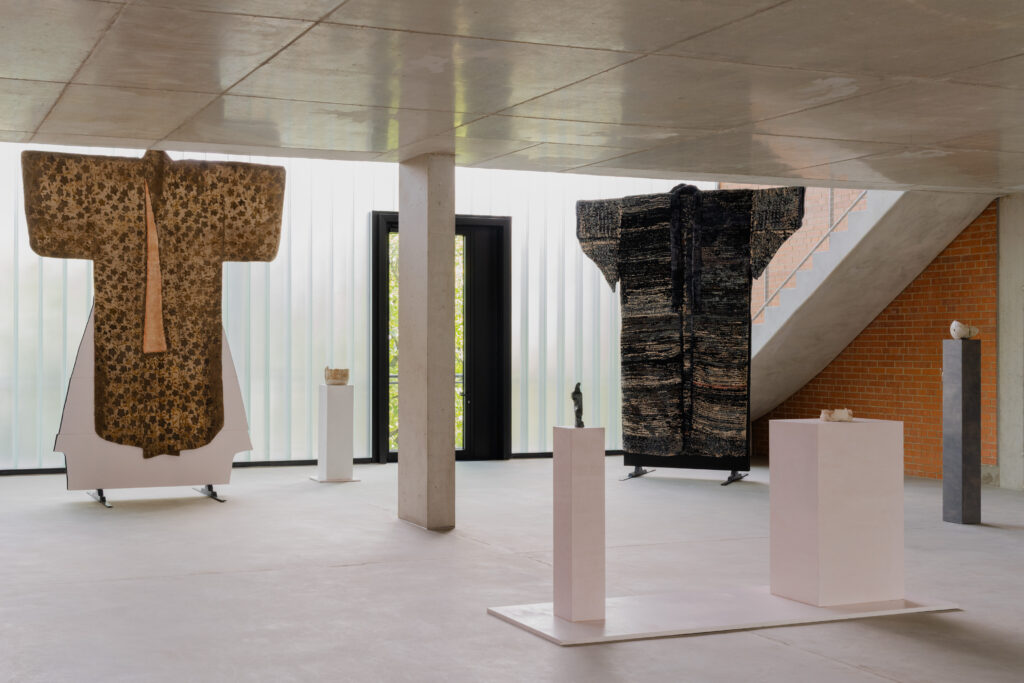
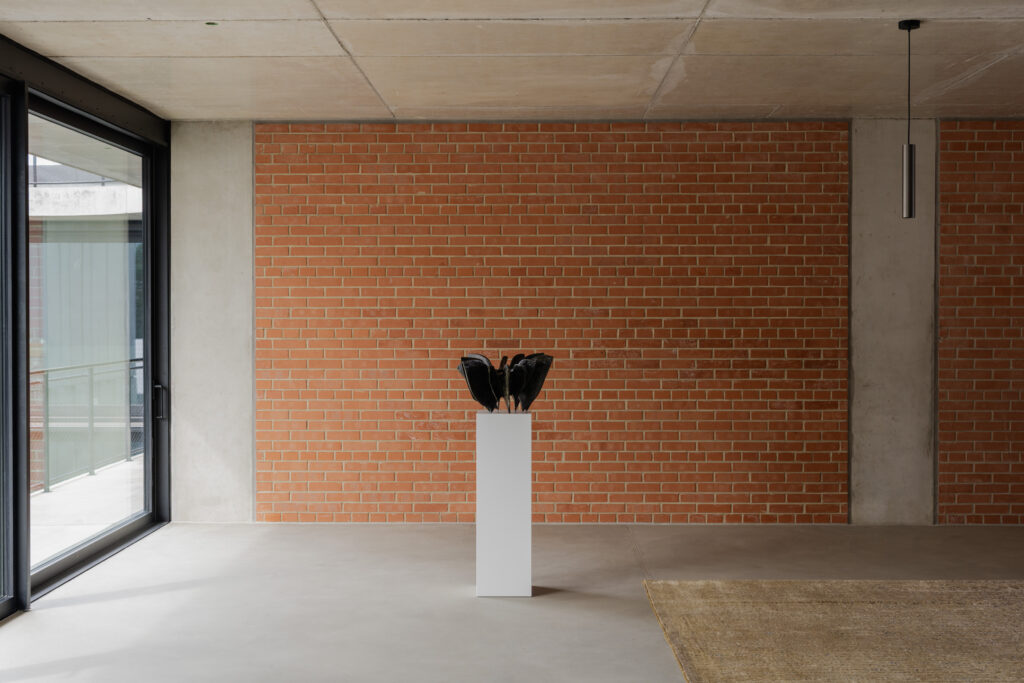
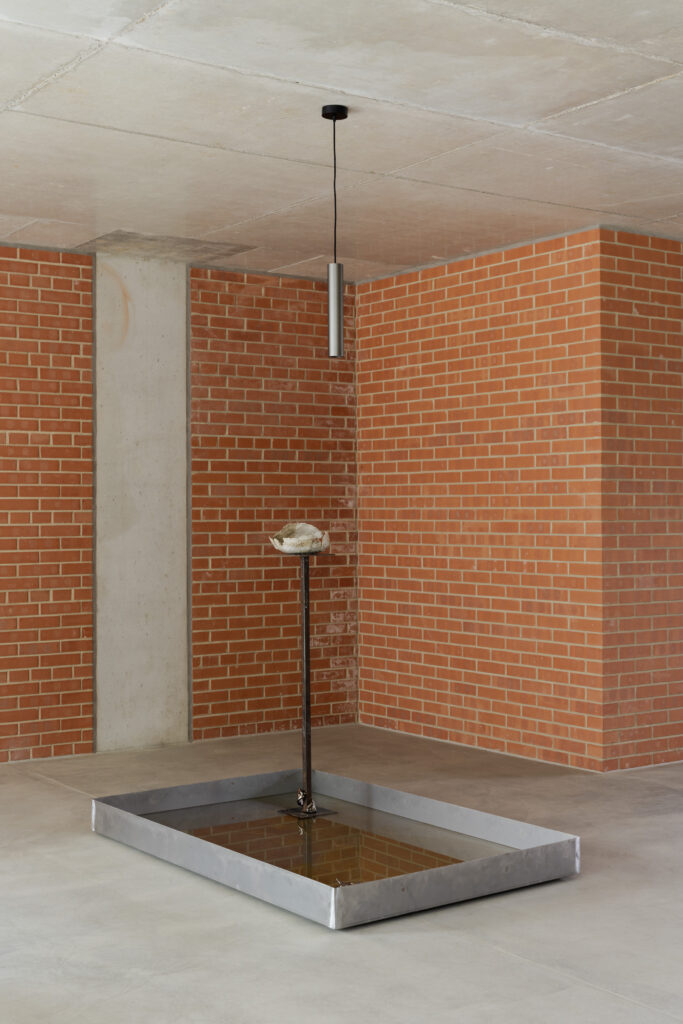
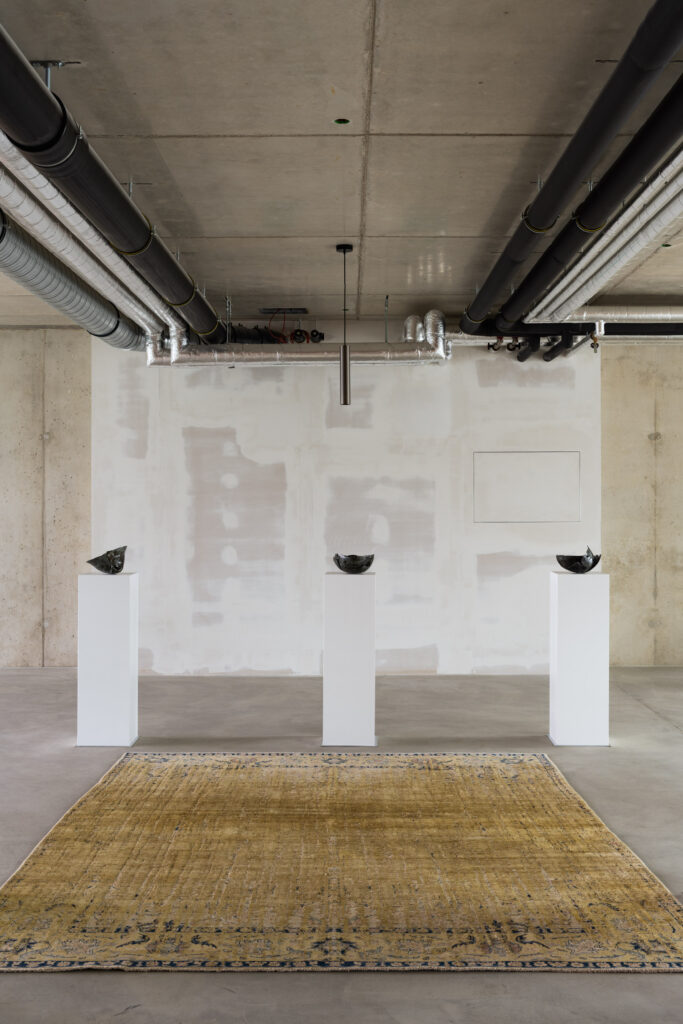
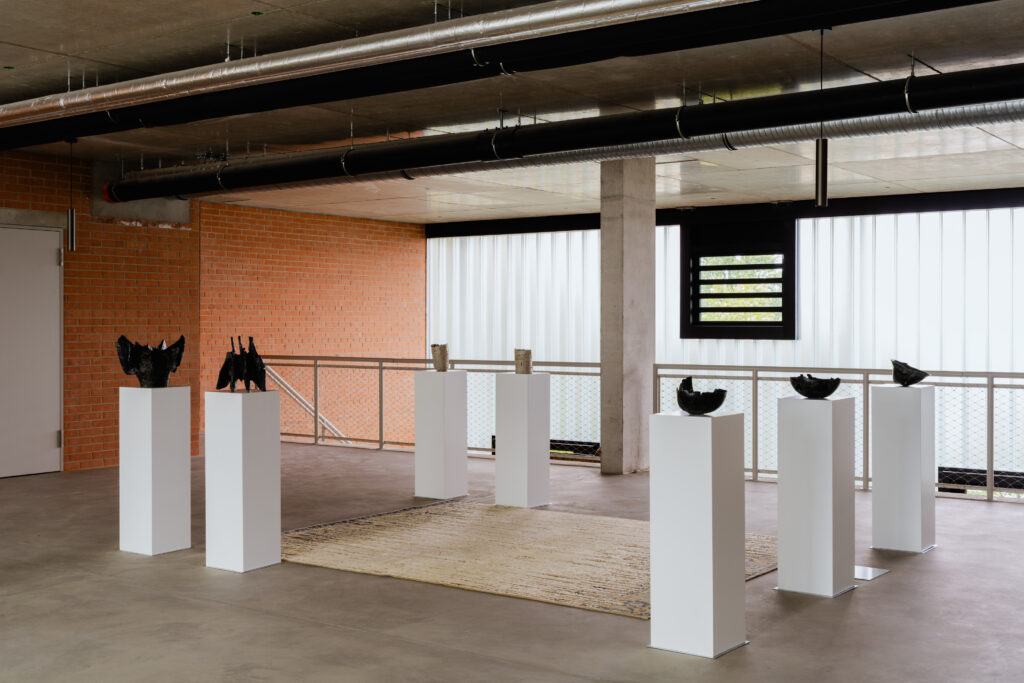
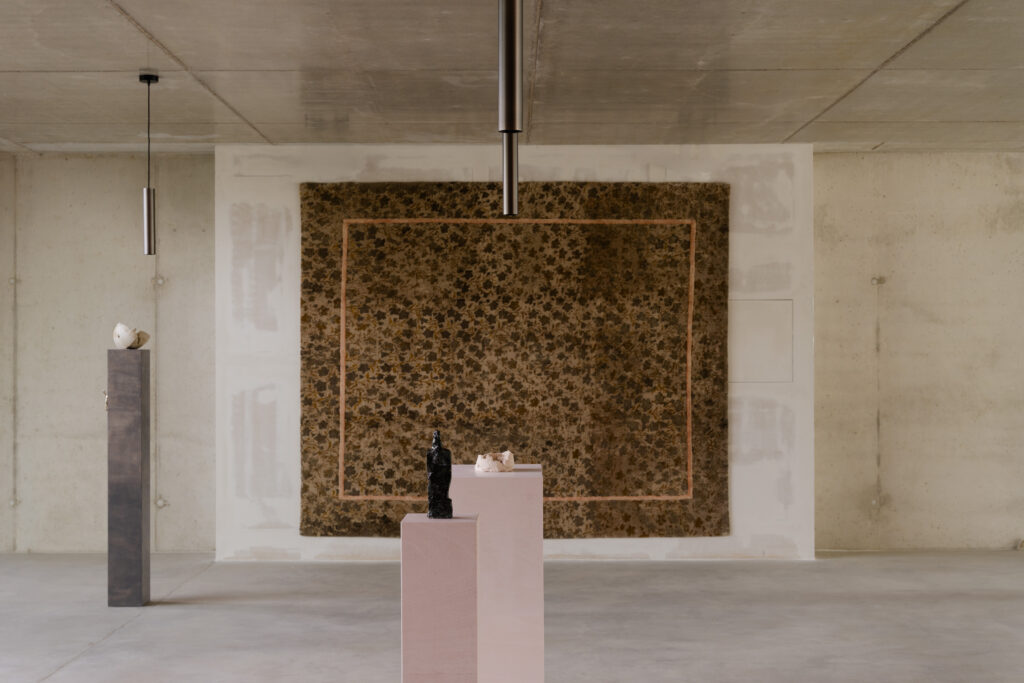
Among them, FORMA Gallery presents Temper, an exhibition bringing together the ceramic sculptures of Veronika Janovec and the hand-knotted carpets of Jan Kath Design.
The point of connection is less formal than material. Clay, wool and silk belong to different worlds, yet they share processes shaped by pressure, heat, water and manipulation. Materials are modelled, fired, washed, finished and, in some cases, burned, transforming beyond their initial state. Light becomes part of this process too, continuously altering the perception of colour, texture and surface.
The title Temper speaks directly to this idea: to temper means to bring different elements into a new balance, while also suggesting temperament, the inner character that determines how something takes form. At the heart of the exhibition is therefore a reflection on “becoming”: on the relationship between protection and transformation, between what contains and what gradually moves beyond it.
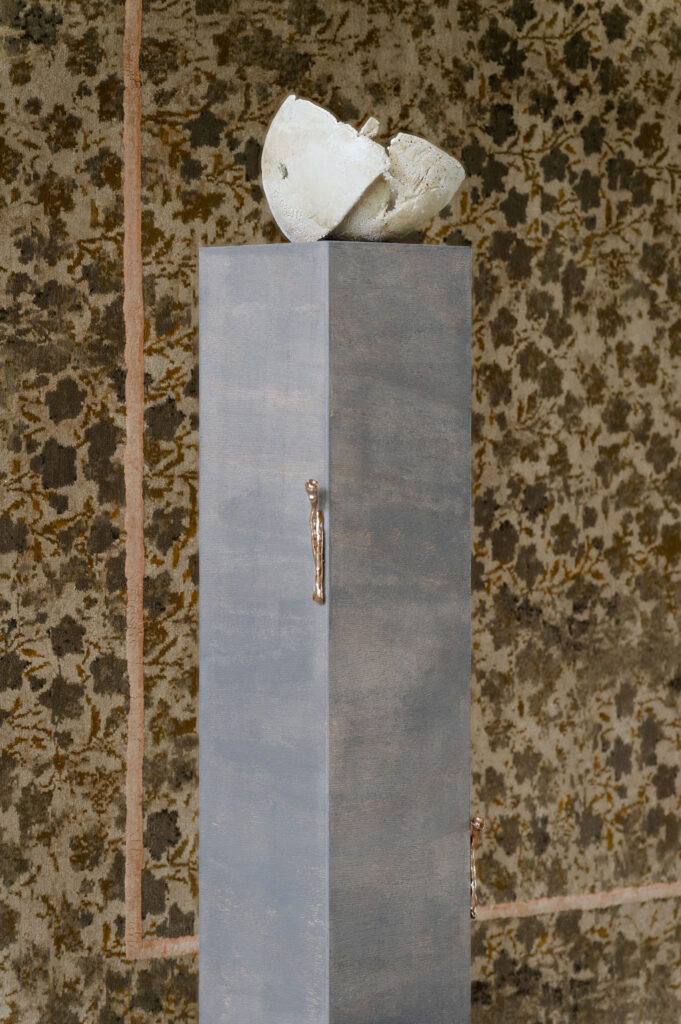
The symbolic image is that of the nest, a temporary structure built from what is found in nature and shaped to protect life only until it is ready to leave. It introduces a particularly interesting idea of care: protection is not presented as something permanent, but as a condition that allows growth and, eventually, independence.
This metaphor runs directly through Janovec’s work, where ceramic surfaces fold, crack, thin out and open. Her practice is concerned with thresholds, with the moment in which one state becomes another, and with repetition as a way of making change visible. Nature appears not as a literal subject but as something observed, remembered and gradually abstracted into fragments, cavities and skins.
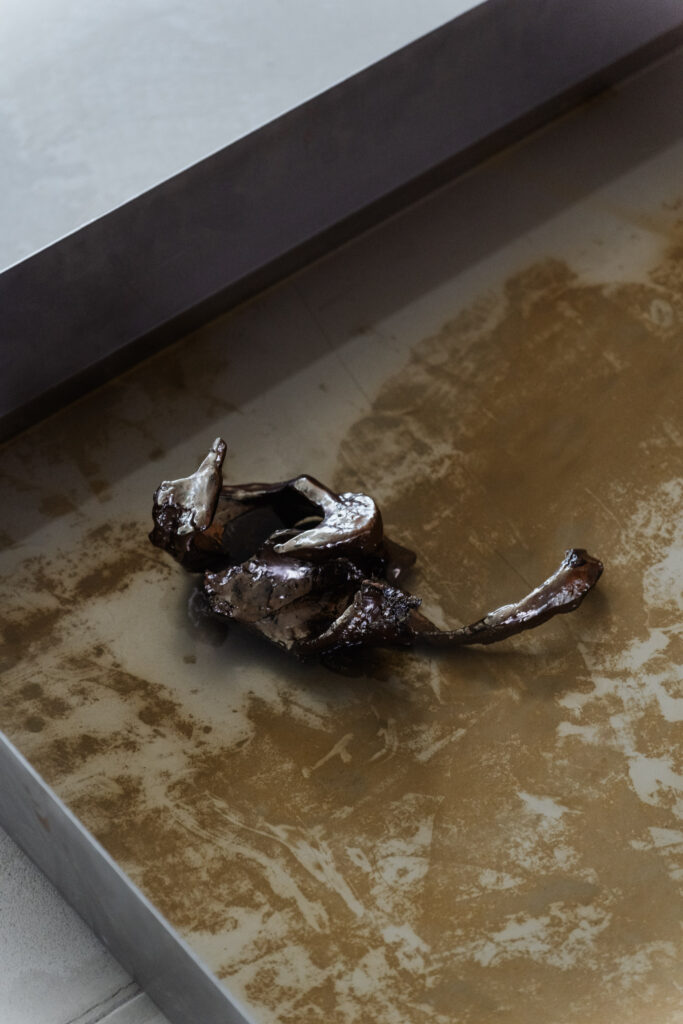
In the Nests, Winged and Armour series, these transitions become especially evident. The Nests remain folded inward and protective, while the Winged works begin to extend outward, suspended somewhere between weight and flight. In Armour, the surface bears the trace of fire, darkened and hardened but not destroyed. Heat is treated less as a threat than as a collaborator in the making process.
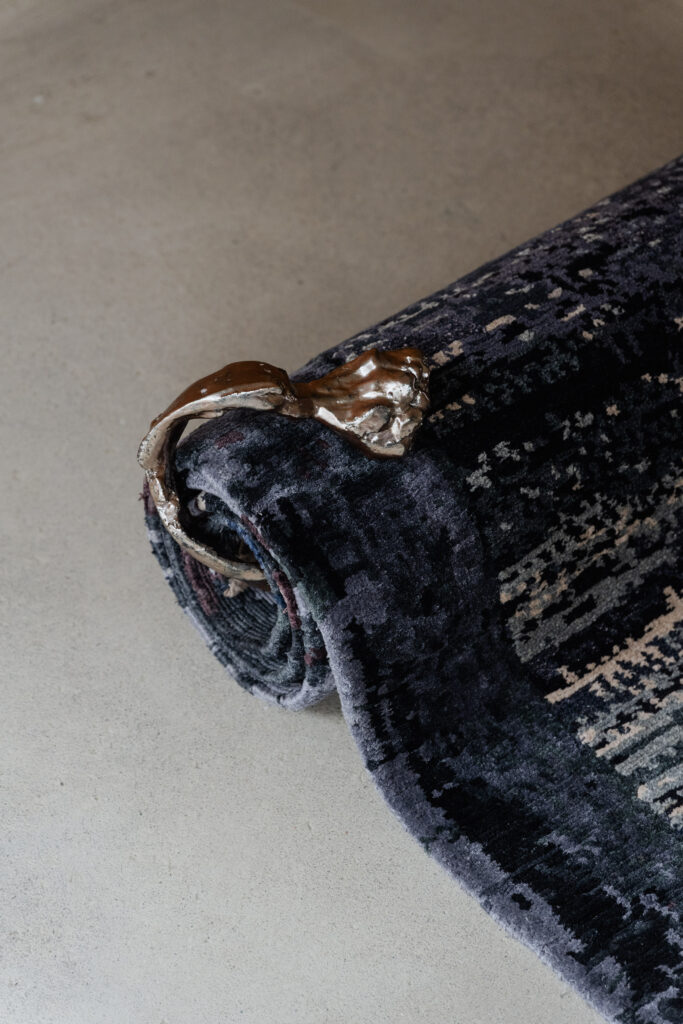
In Jan Kath Design’s carpets, too, the surface becomes the result of transformation. The brand works with centuries-old hand-knotting traditions and natural materials such as Tibetan highland wool and silk, while pushing the carpet beyond its conventional role as a functional interior object. Its practice continuously intersects with art, architecture and contemporary culture, using colour, material and technique to give textiles a more spatial and almost pictorial presence.
Seen together, the works create a conversation not because they attempt to resemble one another, but because they share an understanding of making as a process of alteration. The exhibition becomes less about defining where sculpture ends and design begins than about observing how materials acquire identity through time, craft and transformation.
It is precisely within these in-between territories that FORMA Gallery, founded by spatial designer and curator Vanessa Heepen, operates. Rather than following a rigidly defined programme, the gallery develops encounters between artists, designers and objects, connecting contemporary practices with unexpected references across materials, disciplines and generations.
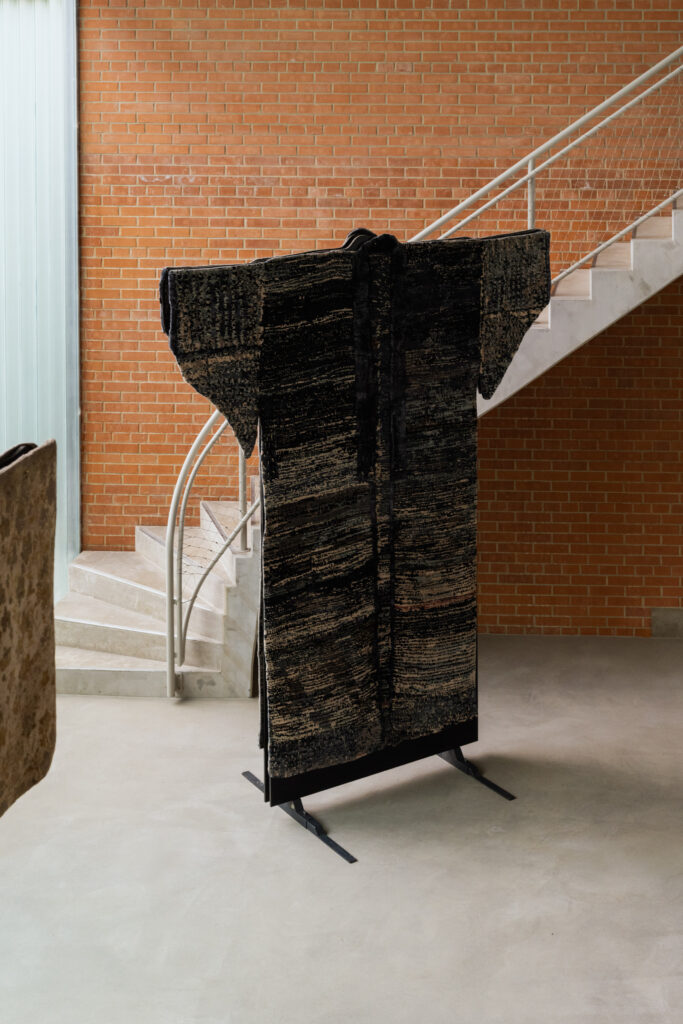
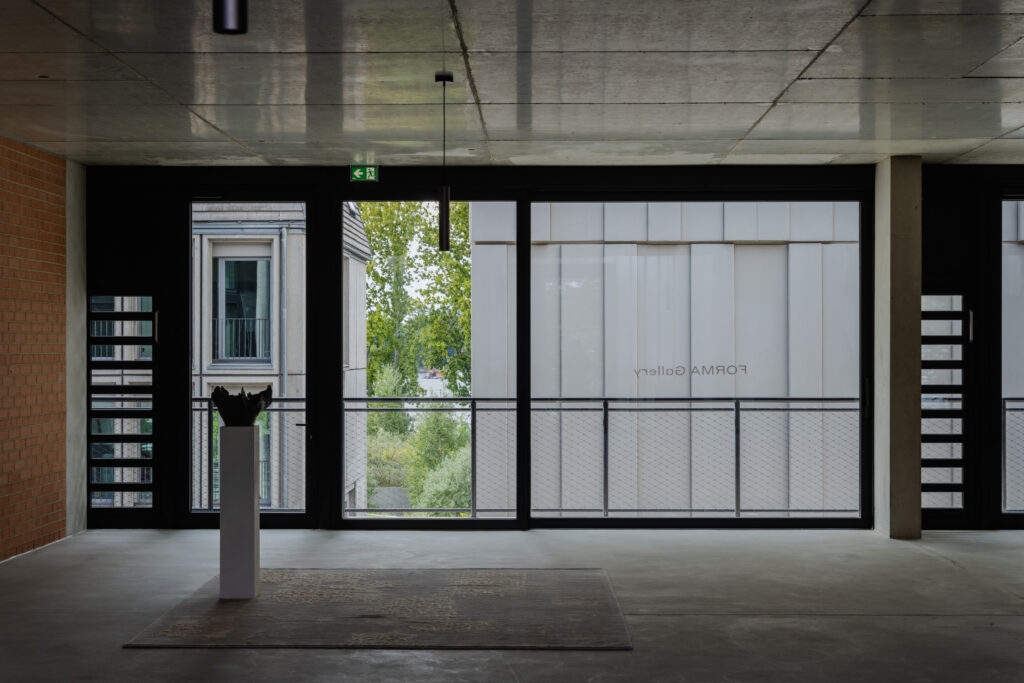
Credits: Simone Lorusso, FORMA Gallery
Photo by Peter Oliver Wolff